
How a Fed interest rate pause would impact Main Street investors
4 min read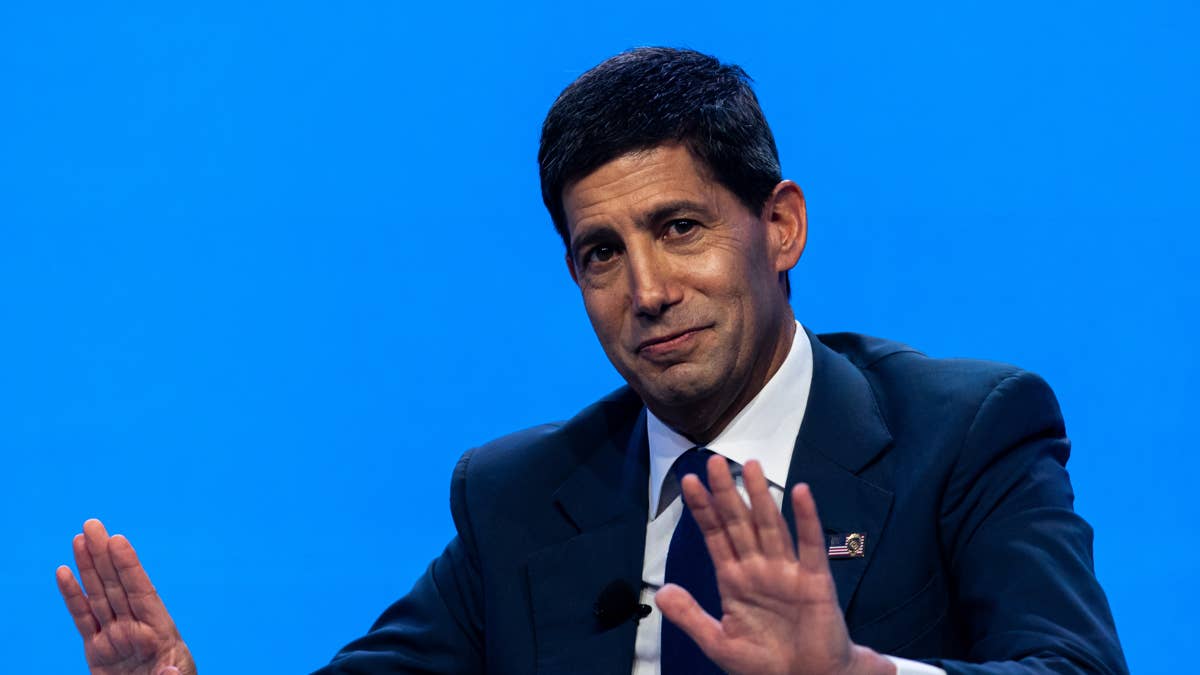
Federal Reserve Chairman Kevin Warsh, despite dropping traditional forward guidance on interest-rate paths, recently said the central bank is focused on “removing a dose of accommodation.”
For retail investors, this means the era of artificially cheap money is over, and navigating a higher-rate normal is essential for portfolio strategy.
Markets expect the policymaking Federal Open Market Committee will decide on a hawkish pause at its Oct. 27-28 meeting, despite hiking short-term interest rates 25 basis points to 3.75% to 4.0% at its September meeting.
But strong economic vibes, supported by reporting from many Wall Street banks and the CME Group FedWatch Tool, indicate at least one more 25 basis-point hike as early as the next FOMC meeting Dec. 8-9 to mitigate persistent inflation.
Melissa Brown, global head of investment decision research at SimCorp, told TheStreet in an exclusive email interview that equity markets have woken up to the real risks of higher inflation and overly rosy revenue assumptions for AI-related companies.
“With no guidance to dispute the assumption, it seems likely long rates will stay higher for longer,’’ Brown said, adding that higher rates further into the future mean lower valuations right now for companies that rely on high-growth expectations.
“On top of that, higher government yields mean that current debt has to be issued at higher rates, suggesting that revenues have to be that much higher to cover the debt service,’’ Brown said. “This impacts all companies that issue debt, not just AI, although the amounts of debt they need to issue to finance the infrastructure buildout is enormous.”
Aptus Capital Advisors Portfolio Manager & Head of Fixed Income John Luke Tyner told TheStreet in an exclusive email that there is no doubt that both energy prices and AI borrowing have increased inflation metrics and pushed interest rates higher.
“We can see both of these dynamics moving markets, although last week showed a bit of a separation between oil prices and rates (moved in opposite directions) and more alignment between rates and some exhaustion within the AI spending frenzy,’’ Tyner said.
“This is definitely an interesting signpost and at least suggests that the last six months’ rise in rates, plus the Fed’s September hike, could have been a situation where the market did some of the work for the central bank,” Tyner added.
Fed’s expected rate pause balances its dual mandate
The Fed’s dual mandate from Congress requires maximum employment and price stability.
Yes, it’s a tricky balance of monetary policy because:
Lower interest rates support hiring but can fuel inflation. This risks fueling further inflation, potentially leading to an inflationary spiral.
Higher rates cool prices but can weaken the job market. This increases the cost of borrowing and further stifles economic activity.
How an interest-rate pause hits your wallet
The CME Group’s FedWatch Tool shows traders pricing in a roughly 10.5% probability of a Fed rate hike at its Oct. 27-28 FOMC meeting with expectations of an 82.3% probability of a rate hike by its Dec. 8-9 meeting.
The Fed’s September interest-rate hike, the first since January 2023, sent ripples through the entire financial system with the most immediate pressure hitting short-term borrowing such as variable-rate credit cards and student loans.
Related: UBS explains how looming Fed rate hike could impact your investments
Indirectly, it impacted fixed-rate mortgage rates which rely on Treasury yields plus corporate debt and capital investment.
The good news? Interest rates on savings accounts and CDs could see an increase.
Fed’s hawkish outlook focuses on inflation
Fed experts expect the FOMC to hold rates steady in October for three reasons:
Policymakers want more time to assess stubborn inflation.
Rising Treasury yields have already tightened financial conditions.
The cooling labor market argues against raising borrowing costs too quickly.
Plus, monetary policy alone will not offset rising energy prices from the Iran War, especially if the United States decides to escalate threats to resume military action.
WEBs ETFs CEO Ben Fulton told TheStreet in an exclusive email that the Fed will want time to further assess the impact of the September rate increase and the ever-changing energy and fuel prices driving inflation.
“Wait and see also keeps the Fed out of the political crosshairs that an increase the week before the midterm elections would incite,’’ Fulton said. “We are a long way from the 2% target inflation rate, yet the Fed is showing a firm grip on the economic levers it can deploy.’’
Related: Fed’s Waller does ‘about-face’ on interest-rate outlook as inflation surges
#Fed #interest #rate #pause #impact #Main #Street #investors