
Elon Musk's Terafab bet: what it means for Tesla investors
4 min read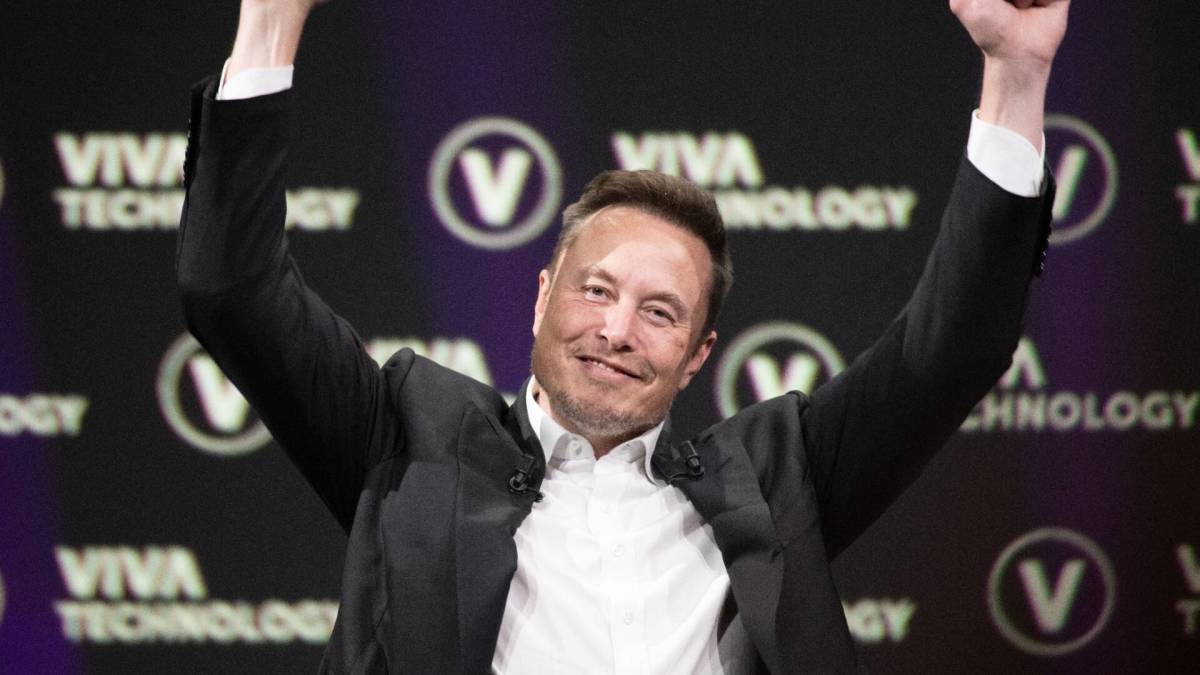
Elon Musk took the stage in Austin on March 21 to officially launch Terafab, a joint venture between Tesla (TSLA), SpaceX, and xAI that he called “the most epic chip building exercise in history by far.”
The ambition is genuine. So is the risk.
Investors need to understand both before drawing conclusions about what this means for the stock.
Terafab is Tesla’s plan to manufacture its own AI chips at scale within the United States. The goal is to end its dependence on external suppliers such as TSMC and Samsung for the silicon that powers its self-driving systems, Cybercab Robotaxis, and Optimus humanoid robots.
The facility will be built near Austin’s Giga Texas campus and bring logic processing, memory production, and advanced packaging under one roof. This is a level of vertical integration almost no private company outside Taiwan and South Korea has attempted.
Why Musk says the Terafab chipmaking facility must be built
The strategic logic is straightforward. Musk first flagged the problem on Tesla’s January 2026 earnings call. He told investors that even in a best-case scenario for chip supply from existing partners, it still would not be enough to meet Tesla’s needs within three to four years.
With millions of Optimus robots and Cybercab fleets on the roadmap, the volumes required exceed what any external foundry is prepared to commit to on Tesla’s timeline.
“When I look ahead and say what’s the limiting factor for Tesla growth, if you go three or four years out, I think it actually is chip production,” Musk said. Building a domestic fab, he argued, is the only way around that ceiling.
More Tesla:
Top-rated analyst drops curt 8-word take on Tesla stockTesla investors may miss game-changing moveJudge orders Tesla to make major change or halt sales in California
The facility targets 2-nanometer process technology, the most advanced node currently in commercial production. Tesla’s AI5 chip is among the first products Terafab is designed to produce. Small-batch production is expected in 2026, with volume production projected for 2027.
The initial target is 100,000 wafer starts per month, with an eventual ambition to scale toward one million. Musk said the project aims to produce enough computing power to support 100 to 200 gigawatts of AI infrastructure on Earth, and ultimately a terawatt in space.
Importantly, Musk was explicit that Tesla will continue buying Nvidia chips in the meantime. Terafab is a long-horizon solution, not an overnight pivot.
Elon Musk wants to end its dependence on external suppliers such as TSMC and Samsung for chips that power its Optimus humanoid robots and other products.
Shutterstock
What the Terafab price tag actually looks like
The cost estimate is $20 to $25 billion for the Terafab facility itself. That is on top of Tesla’s existing 2026 capital expenditure guidance of more than $20 billion, and Tesla’s CFO acknowledged on the January earnings call that the full Terafab cost is not yet incorporated into that figure.
For context, Samsung’s Taylor fab cost roughly $17 billion. TSMC’s largest facilities cost $15 to $20 billion each and handle about 100,000 wafer starts per month. Terafab’s starting target matches that scale, but the ambition is far larger.
Tesla ended 2025 with $44 billion in cash. Its 2025 revenue declined 3% to $94.8 billion, with automotive revenue down 10% to $69.5 billion. Free cash flow last year was $6.2 billion on $8.5 billion in capex.
The company is now committing to more than double that capex level while simultaneously funding a multi-decade semiconductor project. That is a significant financial stretch, and Electrek has noted that Tesla’s own 10-K filing acknowledges the company may need to raise additional capital.
How Wall Street is reading the Terafab news
The market reaction on the day of the announcement was measured. TSLA rose 0.6% when Musk confirmed the March 21 launch date. The broader analyst consensus sits at hold, with a mean price target of around $408, implying modest upside from current levels.
Morgan Stanley analyst Andrew Percoco, who carries a hold rating with a $415 price target on the stock, called Terafab a “Herculean task” and estimated the full cost could run $35 to $40 billion. He cautioned that even under an optimistic scenario, the facility would not actually produce chips until 2028.
The bull and bear case, in plain termsBull case: If Tesla executes, it owns the full stack from chip to vehicle to robot. No supplier can hold it hostage on pricing or allocation. The margins on internally manufactured silicon are structurally higher than purchasing from third parties, and Terafab positions Tesla as an AI infrastructure company, not just an automaker.Bear case: Building a leading-edge fab involves more than 2,000 individual processes, specialized equipment that is globally scarce, and engineering talent that TSMC and Samsung have spent decades accumulating. Tesla has a documented history of ambitious timelines that slip. The capital demands are enormous at a time when the core auto business is under pressure. Every dollar committed to Terafab is a dollar not returning to shareholders.What Tesla investors should watch
Terafab is a decade-long bet, not a near-term catalyst. The stock will not move on Terafab milestones the way it moves on delivery numbers or FSD updates.
What matters over the next 12 to 18 months is straightforward. Does Tesla break ground on a confirmed site? Does it commit to a specific process partner for initial production? Does it maintain the cash position needed to fund the project without a dilutive equity raise?
Musk has framed Terafab as existential, the only path to the chip volumes his AI and robotics ambitions require. That framing may be correct.
But as Bloomberg noted, Musk has no background in semiconductor production and a history of promising results on compressed timescales. So while the idea is sound, the execution is the entire question.
Related: Elon Musk issues apology for not building xAI right
#Elon #Musk039s #Terafab #bet #means #Tesla #investors