
Giant U.S. food distributor strikes $29B Jetro restaurant deal
4 min read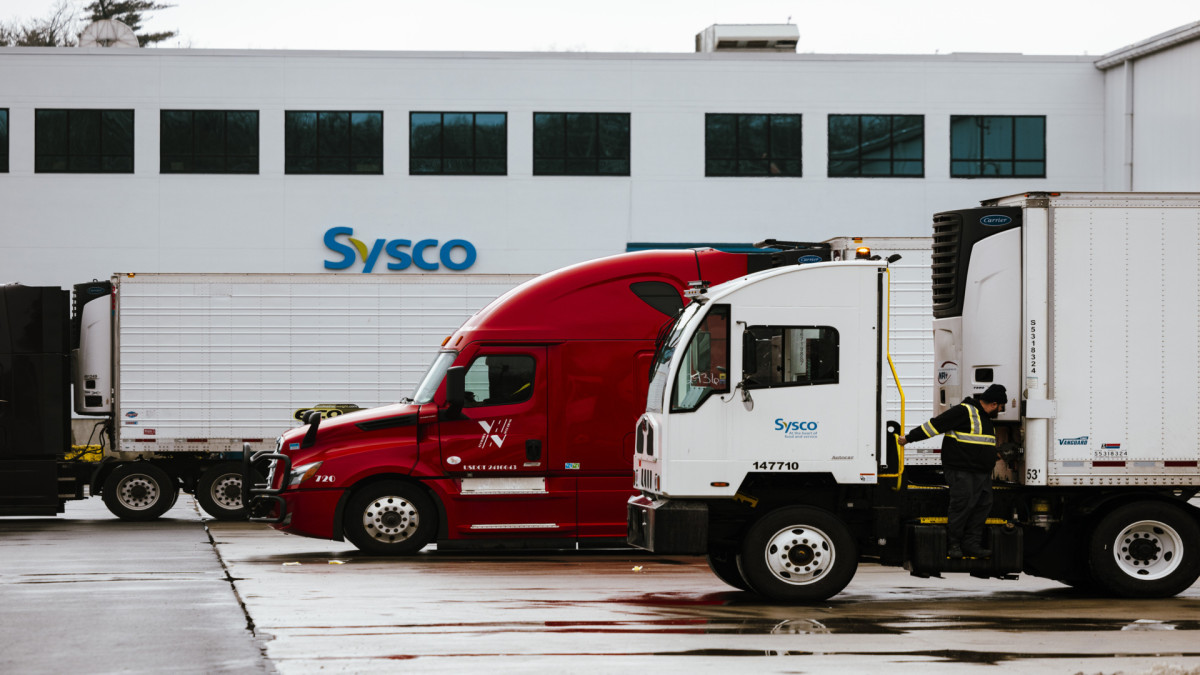
Sysco, the nation’s largest food distributor, has agreed to acquire Jetro Restaurant Depot in a deal valued at approximately $29.1 billion including debt. The transaction, announced March 30, is the largest in Sysco’s history.
The deal gives Sysco a major entry into the cash-and-carry wholesale segment, a $60 billion to $70 billion market that primarily serves independent restaurants and small food businesses. It is a model that Sysco has not previously operated in.
Shares of Sysco fell approximately 8% to 12% in trading after the announcement, reflecting investor concern about the $21 billion in new debt the company plans to take on to fund the deal.
What the Sysco-Jetro deal involves
Under the terms of the agreement, Jetro Restaurant Depot shareholders will receive $21.6 billion in cash and 91.5 million Sysco shares. Based on Sysco’s closing share price of $81.80 on March 27, the total enterprise value comes to approximately $29.1 billion, or 14.6 times Jetro’s 2025 operating income.
Jetro shareholders will own approximately 16% of the combined company once the deal closes. Sysco will fund the cash portion with $21 billion in new and hybrid debt, plus $1 billion from cash on hand.
More Restaurants
McDonald’s latest menu missteps could have a major domino effect76-year-old comfort food chain closes most of its restaurantsFast food giant is coming for Starbucks with fan-approved launch
The company also paused share buybacks to preserve capital during integration. The dividend remains in place.
The transaction has been unanimously approved by both companies’ boards and is expected to close by the third quarter of Sysco’s fiscal 2027, subject to regulatory approval.
What Jetro Restaurant Depot brings to the table
Jetro Restaurant Depot operates 166 warehouse locations across 35 U.S. states and serves more than 725,000 customers. The company generated approximately $16 billion in revenue, $2.1 billion in EBITDA, and $1.9 billion in free cash flow in 2025, maintaining 30 consecutive years of steady EBITDA growth.
The cash-and-carry model is fundamentally different from Sysco’s existing delivery-based operation. Customers visit Restaurant Depot warehouses and pay upfront for food, beverages, and supplies without delivery minimums or membership fees. The model appeals particularly to independent restaurant operators who want cost control and flexibility.
“Jetro Restaurant Depot will benefit from access to Sysco’s best-in-class foodservice supply chain and logistics capabilities and Sysco will benefit from new ways to serve local customers,” said Sysco Chairman and CEO Kevin Hourican. “The combined company will have increased purchasing efficiencies, enabling lower prices for more customers.”
Stanley Fleishman, executive chairman of Jetro Restaurant Depot, said the deal is a “clear recognition of the strength of our business model” and cited Sysco’s national supply logistics as a key benefit for future expansion.
Key deal terms at a glanceDeal value: $29.1 billion including debt, the largest in Sysco’s historyStructure: $21.6 billion cash and 91.5 million Sysco shares to Jetro shareholdersFunding: $21 billion in new debt plus $1 billion from cash on handLeverage: Approximately 4.5x earnings at close, with management targeting a reduction of more than one point within two yearsExpected close: Q3 of Sysco’s fiscal 2027, pending regulatory approvalSynergies: Targeting approximately $250 million in synergies
Sysco, the nation’s largest food distributor, has agreed to acquire Jetro Restaurant Depot.
Sharrett/Getty Images
Why Sysco shares fell
The stock drop reflects the sheer size of the debt load Sysco is taking on. At $21 billion in new borrowing, the company is financing a deal that is larger than its own market capitalization of $39.2 billion at the time of announcement.
Leverage at close is expected to reach approximately 4.5 times earnings. That is a meaningful step up for a company that has positioned itself as investment grade. Management acknowledged the concern and committed to reducing leverage by more than one point within two years.
Despite the market reaction, Sysco reaffirmed its full-year fiscal 2026 guidance, including expected sales growth of 3% to 5% and adjusted earnings per share at the high end of its $4.50 to $4.60 range. The company also expects third-quarter local case volume growth of more than 3% year over year.
What the deal means for the food distribution industry
The acquisition marks a significant structural shift in U.S. food distribution. Sysco has long dominated the broadline delivery market. This deal extends that reach into a segment it has never served: the cash-and-carry channel that independent restaurants, ethnic food markets, and small food businesses rely on for day-to-day purchasing.
Last year, US Foods ended merger talks with Performance Food Group, which would have combined the nation’s second and third largest food distributors. That deal never materialized. Sysco’s move now significantly widens the gap between itself and its nearest competitors.
The deal will face regulatory scrutiny. A previous Sysco attempt to acquire US Foods in 2015 was blocked by a federal judge on antitrust grounds. This transaction involves a different segment and a different competitive landscape, but the scale of the combination is certain to draw attention from the Department of Justice.
Related: Fast food giant is coming for Starbucks with fan-approved launch
#Giant #U.S #food #distributor #strikes #29B #Jetro #restaurant #deal