
Nordstrom’s $6.25 billion deal to go private is paying off—and don’t expect an IPO anytime soon
4 min read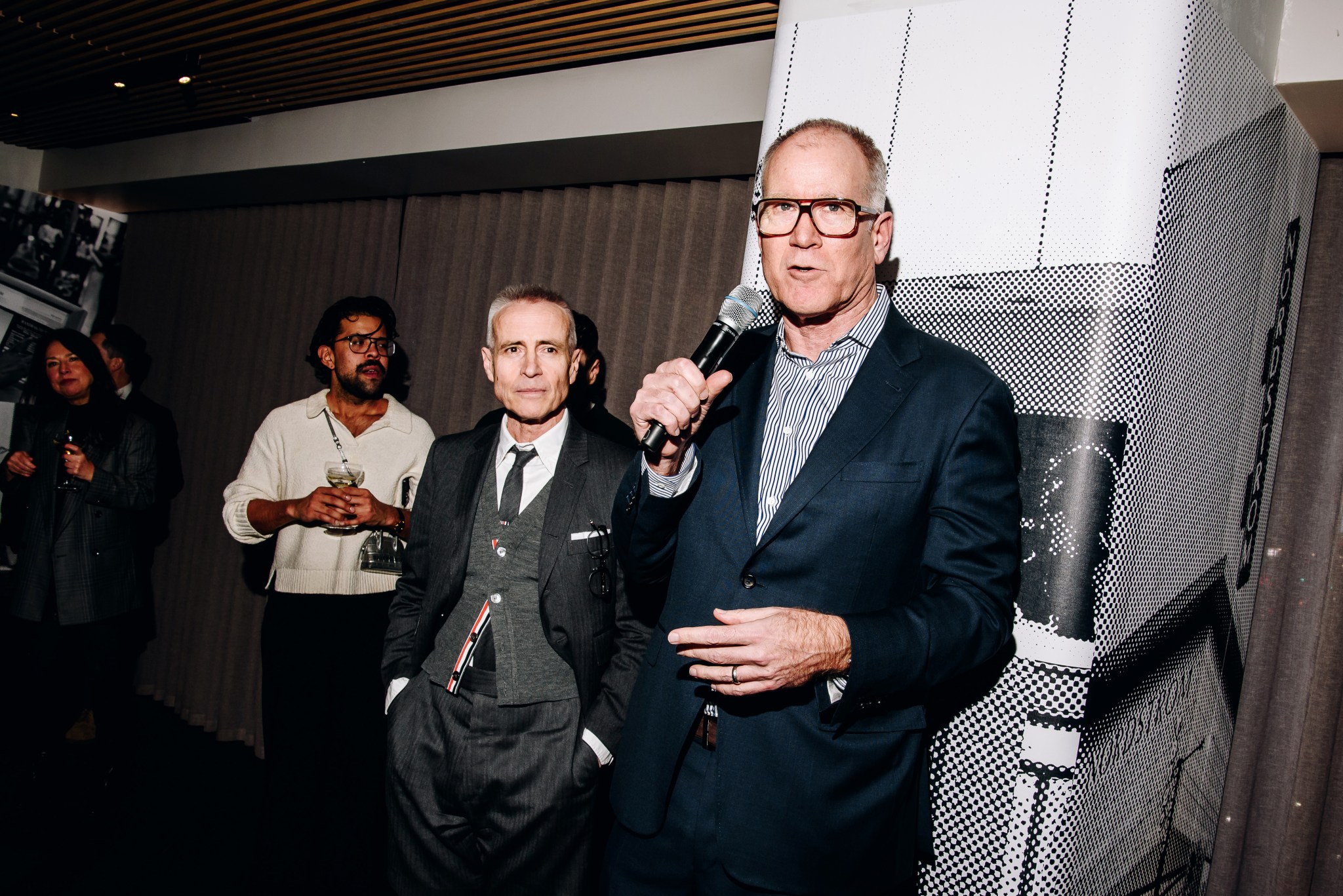
When Nordstrom went private last year, the move was seen by industry analysts as a way to let the founding family make the changes needed to rejuvenate its sagging department store business without being hemmed in by Wall Street’s short-term focus on profits.
Nearly a year later, co-CEOs Peter and Erik Nordstrom, great grandsons of the retailer’s founder, say they don’t miss the distraction of being a public company. Indeed they hint that Nordstrom won’t return to the stock market anytime soon—if at all.
As reported by Fortune last week, Nordstrom’s revenue rose 7% in 2025 to $15.9 billion, slipping past a high watermark from 2019 and finally recovering from the hit to sales from the COVID pandemic and turmoil in the luxury market.
How going private gave Nordstrom freedom from Wall Street
While the chaos at Saks Fifth Avenue and Neiman Marcus have given it a huge opening, Nordstrom has also helped its own cause by upgrading stores, spending a lot of money on merging databases, and expanding its inventory. All that costs money, and the shareholder focus on profits and margins would probably have hurt Nordstrom shares if it were still a public company. Wall Street generally sees department stores as a mature business, and will let such companies invest only so much to reinvent themselves.
“When you’re a public company, your scorecard is your stock price, and that has a lot to do with the results you generate,” Pete Nordstrom says. “If the investment community doesn’t think very highly of department stores, which they don’t, your multiple goes down.” As a company leader, responding to that takes time away from tending to the core business, he adds: “You end up spending a lot of time on things that aren’t exactly what your business is.”
Like other luxury retail businesses, Nordstrom hit a rough patch coming out of COVID as people stopped buying nicer clothes for in-person events and going to the office. What’s more, its Rack discount chain struggled to define its market niche, and its expansion to Canada turned into an expensive failure.
To be able to re-engineer the 125-year-old family business as they saw fit, the Nordstroms. tried in 2017 to go private but failed, before ultimately succeeding in 2025. In a $6.25 billion deal that took the company off the stock market after 54 years, the Nordstroms teamed up with Mexico’s El Puerto de Liverpool department store, an operator of multiple chains. The Nordstrom family now owns a majority 50.1% stake.
Still, being private isn’t a license to let laxness creep in. And Nordstrom faces other strictures: The company took on some debt, for example, which requires the company to hit certain milestones.
Why Nordstrom’s family owners aren’t in a rush for an IPO
“We do think being private on the edges helps us with improved focus as some noise gets removed,” says Erik. But he added: “I’ve never complained about being a public company. The main upside for us is that it was a forcing mechanism to get our story very clear.”
There are other advantages to being public: It can make attracting talent easier thanks to more easily traded shares that can be offered as a bonus. It also makes raising money easier and could be a way for the Nordstroms and their Mexican partners to cash in on the improvements the business is seeing. And indeed, if Nordstrom keeps up its strong performance, it is inevitable that investment bankers will knock on the door, telling the family and Liverpool what a bonanze the IPO could generate. So while Nordstrom is not even one year into being private, many expect this large and successful of a company to eventually go public again at some point.
Stacey Widlitz, president of consulting firm SW Retail Advisers, suggests that if the chain manages to address its problems while it has the leeway to do so, a Nordstrom IPO is a real possibility: “If they get all these things right and have the right leadership, there is no reason why in several years, we won’t see them go back to the public market.”
Pete Nordstrom feels differently. When asked if the family would take Nordstrom public again, he says flatly, “I doubt it.” Though, he quickly adds, “never say never.” The fundamental question, Pete says, is “to what end?”
“Our goal is not financial engineering,” he says. “Our goal is to serve customers well in an enduring and compelling way.”
And as he mentions more than once, there’s a responsibility to the family’s legacy. Nobody wants to be “the generation of Nordstroms that screwed it up.”
#Nordstroms #billion #deal #private #paying #offand #dont #expect #IPO #anytime