
Jim Cramer sends curt oil and interest rate warning
4 min read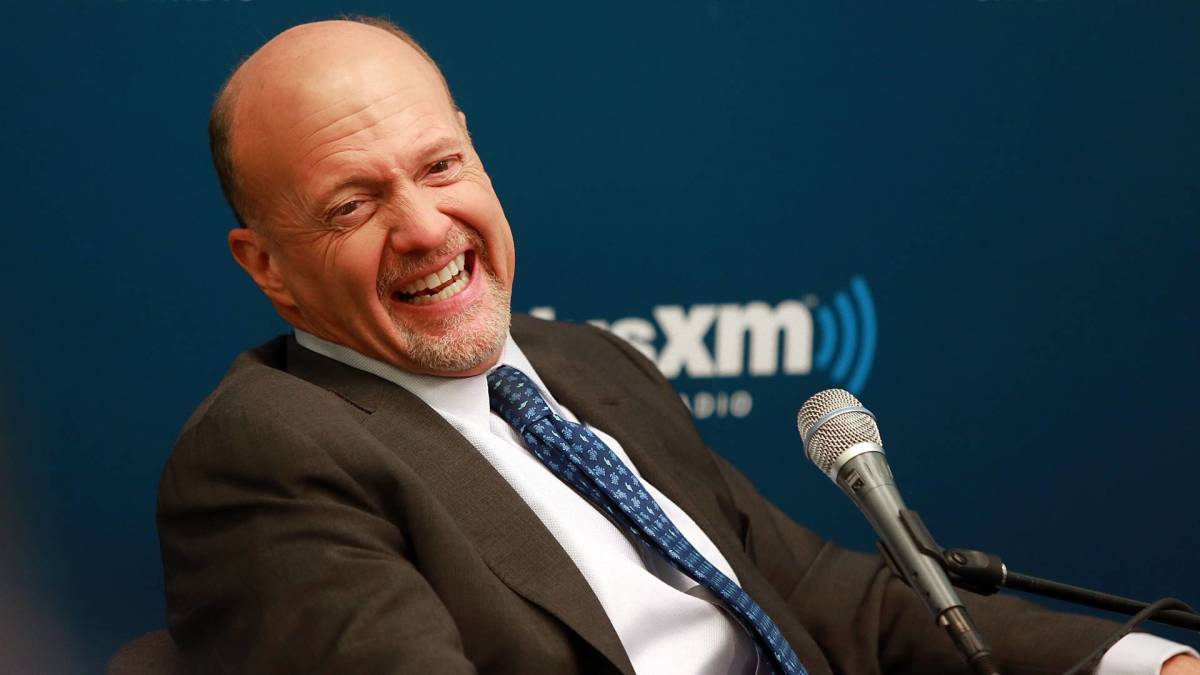
A strange and potentially dangerous signal is screaming across markets right now. Oil prices are surging. Interest rates remain elevated. And according to Jim Cramer, that combination doesn’t add up.
Jim Cramer is a former hedge fund manager who now runs the CNBC Investing Club and is the host of CNBC’s “Mad Money”. Cramer, who is also a co-anchor of CNBC’s “Squawk on the Street” and the co-founder of TheStreet, warns of elevated oil prices and positive interest rates.
Over the years, Cramer has helped investors invest smarter and build long-term wealth in the stock market. In a tweet on 30th March, 2026, Cramer said.
“What matters is the price of oil and WTI is at $101… Interest rates only positive.”
His short conclusion? “Oil or rates, one of the other, is wrong.”
That’s not just a casual observation. It’s a warning about how markets may be misreading the economic picture.
Why rising oil and rates send conflicting signals
At first glance, both moves might seem logical. But together, they create tension.
We have surging oil prices. As per Trading Economics, WTI crude is now above $104 as of March 30th data. In fact, that’s a record monthly surge of more than 50% in March. Brent is also pushing hard. Past $112. This typically signals inflation pressure and supply disruptions, especially amid escalating Middle East tensions.
At the same time, higher interest rates are meant to cool demand and slow the economy. Those two forces don’t usually coexist for long.
And that’s where the problem begins. When both rise together, it creates a setup economists often associate with stagflation. Why? It’s a mix of slowing growth and persistent inflation.
Cramer has repeatedly pointed out that higher rates increase borrowing costs and economic growth comes under pressure. So if both signals persist, something has to give.
NBCUniversal via Getty Images
Markets face growing pressure
The backdrop makes this conflict even more important. Oil prices have surged sharply in March, driven by escalating geopolitical tensions and supply disruptions tied to the Iran conflict. WTI crude has climbed above $104, marking one of its strongest monthly moves in years.
That surge is actually already feeding into inflation concerns.
Recent data shows that import and export prices are rising sharply. U.S. import costs surged in February, marking the largest monthly increase in nearly four years.
MoreEconomy:
Goldman Sachs resets oil-price bets as war rages onHow Fed meeting impacts mortgage rates, housing marketIMF drops blunt warning on US economy
As per the Bureau of Labor Statistics, Import prices rose 1.3% in February, following gains of 0.6% in January and 0.1% in December. This marked the largest monthly increase since March 2022, when prices jumped 2.9%.
On a yearly basis, import prices climbed 1.3% from February 2025 to February 2026, representing the biggest annual rise since February 2025, when the index increased 1.7%.
At the same time, recession probabilities are increasing across Wall Street. And now, markets are battling a difficult question: Will central banks tighten policy further or hold back to protect growth?
That’s where the Federal Reserve comes in.
Powell pushes back on rate hike fears despite oil spike
While markets had started pricing in the possibility of higher rates, Jerome Powell recently delivered a different message. Speaking live to an economics class at Harvard on March 30th, Powell said the Fed is not rushing to hike rates despite rising energy prices.
Instead, he emphasized that inflation expectations remain well anchored and that reacting too quickly to an oil shock could backfire. In fact, Powell made a key point. Raising rates now could slow the economy after the oil shock has already passed.
Related: Fed Chair Powell sends frustrating message on future interest-rate cuts
That’s why the Fed is choosing to look through short-term energy volatility rather than respond aggressively.
“Inflation expectations do appear to be well anchored beyond the short term, but nonetheless, it’s something we will eventually maybe face the question of what to do here,” Powell said as per CNBC.
He later continued to say, “We’re not really facing it yet, because we don’t know what the economic effects will be, but we’ll certainly be mindful of that broader context when we make that decision.”
Markets reacted quickly as well. Expectations for a rate hike dropped sharply following Powell’s comments, with traders now largely expecting the Fed to hold steady. Also, Powell believes that the current interest rate range of 3.5% to 3.75% is appropriate.
What this means for stocks and investors
So, who’s “wrong”? Oil or interest rates? That’s still playing out.
Cramer argues that markets can’t sustain this divergence forever. Historically, oil has often acted as a leading signal. Meaning equities and broader markets may eventually adjust if energy prices stay elevated.
In practical terms, that creates a tough environment for investors.
If oil remains high:
Inflation could stay elevatedConsumer spending could weakenStocks could face renewed pressure
But if rates stay steady or fall:
Financial conditions could easeRisk assets could stabilizeThe current tension could resolve without major damage
All of that leaves the market undecided. At least for now. And Cramer’s warning isn’t about predicting which side is right. It’s actually about recognizing that this imbalance won’t last.
Related: Jim Cramer drops unexpected take on Microsoft stock
#Jim #Cramer #sends #curt #oil #interest #rate #warning