
Waymo ride quietly arrives in a new key U.S. city
5 min read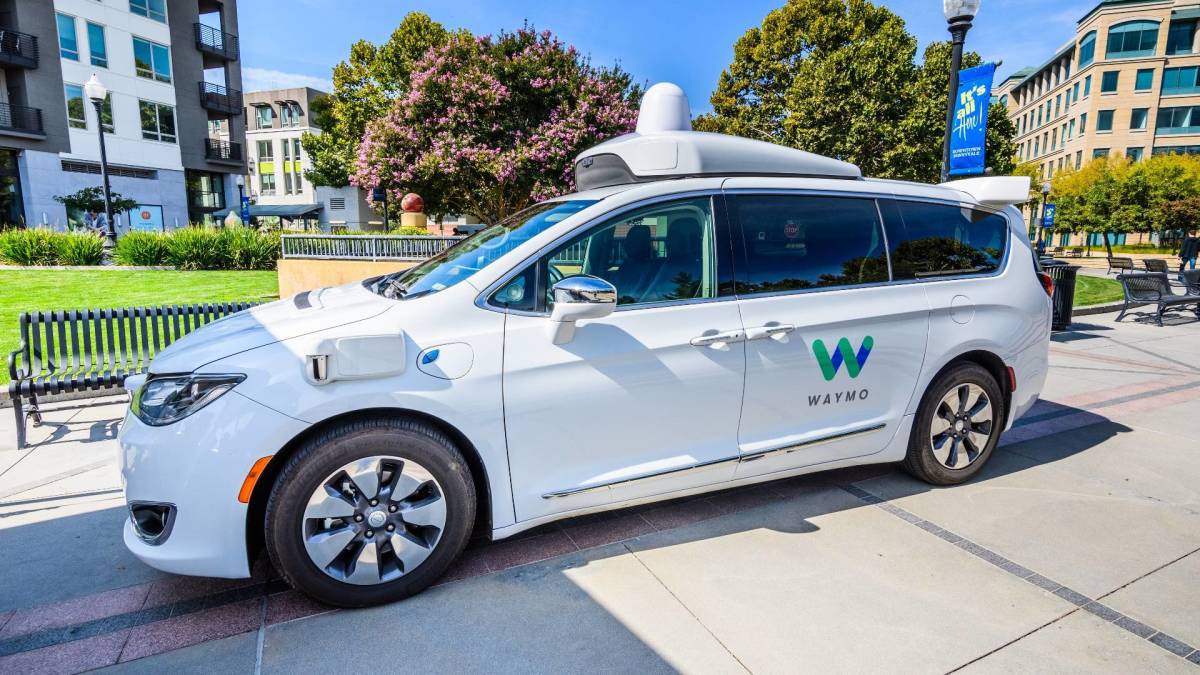
Imagine opening an app, booking a ride, and a vehicle with no driver shows up to take you to a long-awaited errand. That’s no longer a concept. It’s a reality in Nashville.
Waymo, a subsidiary of Alphabet Inc., is a U.S.-based autonomous driving technology company headquartered in Mountain View, California.
As of March 2026, Waymo operates commercial robotaxi services across 10 major U.S. metropolitan areas, with a fleet of about 3,000 vehicles. Waymo also delivers roughly 500,000 paid rides each week and has surpassed 200 million fully autonomous miles driven, proving its growing scale and leadership in self-driving technology.
Waymo has taken that initiative further. It has officially launched its fully autonomous ride-hailing service to the public in the city. The move marks another major step in the company’s push to scale robotaxis across the United States.
“Waymo is serving more riders than ever, as we are on track to serve over one million rides per week by the end of this year,” said Waymo Co-CEO Tekedra Mawakana.
But this isn’t just another city launch. It’s part of a much bigger race.
In fact, it could reshape how people move, commute, and even think about car ownership.
Waymo launches autonomous ride-hailing service in Nashville
Waymo’s new service covers a 60-square-mile area, including some of Nashville’s busiest and most recognizable neighborhoods. That includes Broadway, 12 South, Midtown, and East Nashville.
Waymo is also testing operations at Nashville International Airport, with plans to expand service to travelers soon.
Riders can access the service through the Waymo app, at least for now, on an invitation basis. But there’s a bigger integration coming. Waymo plans to bring its service to the Lyft platform later in 2026, with Lyft acting as a fleet management partner.
Waymo introduces autonomous ride-hailing in Nashville.
Sundry Photography via Shutterstock
Why is Waymo coming to Nashville?
The city’s mix of tourism, nightlife, and rapid growth makes it an ideal environment for autonomous transport, according to Mawakana.
And the timing is no accident. Waymo has now expanded to 11 U.S. cities, signaling a clear shift from testing to scaling.
“Nashville is buzzing with music, tourism, and nightlife, and now Waymo helps connect it all,” said Mawakana. “As Nashville continues to grow, Waymo is proud to support that momentum by providing a safe, reliable, and magical way for locals and visitors to experience everything the city has to offer.”
More Automotive:
Hyundai admits deadly defect caused more injuries than previously knownConsumer Reports names 5 popular EVs with the best real-world rangeUber targets 50,000 robotaxis in major Rivian, Nvidia deals
Leaders in Tennessee and Nashville also embraced Waymo’s fully autonomous service. They are recognizing the opportunity to expand access to innovative and safe transportation options for everyone.
“As families and businesses move to Tennessee in record numbers, our state continues to lead the nation in finding innovative solutions to transportation challenges,” said Tennessee Governor Bill Lee.
“By leveraging private sector technologies like Waymo’s fully autonomous vehicles, we’re expanding mobility in ways we couldn’t achieve on our own and further accelerating economic growth.”
Waymo’s expansion is surging fast amid rising competition
Nashville is just one piece of a much larger expansion strategy. On Feb. 24, 2026, Waymo also opened robotaxi access to select riders in cities including Dallas, Houston, San Antonio, and Orlando, deepening its footprint across Texas and Florida.
That expansion puts Waymo firmly ahead in the U.S. robotaxi race. But competitors are closing in fast. Rivals include Tesla, Amazon-owned Zoox, and startups such as Waabi and Nuro.
Related: United Airlines makes big change to its bags policy
And globally, companies like Baidu (through Apollo Go) are rapidly gaining ground. But still, Waymo has one key advantage: scale. The company’s fleet has logged more than 200 million miles. That’s the equivalent of driving to the moon and back 200 times.
And it’s already delivering about 400,000 paid rides per week across the U.S. It looks like Waymo may be pulling too far ahead for competitors to catch up.
Waymo’s ambitions go far beyond adding new cities
Apart from doing the early groundwork for ride-hailing operations in more than 20 additional cities in 2026, Waymo targets massive growth as robotaxi adoption rises. By the end of 2026, the company aims to surpass 1 million paid rides per week, more than double its current pace.
And it’s already halfway there. As of early 2026, Waymo is delivering roughly 500K+ fully autonomous EV (electric vehicle) trips weekly, up sharply from 250,000 just a year ago.
Related: Amazon quietly introduces new fee sellers didn’t see coming
The autonomous driving company’s growth is backed by serious investment. On Feb. 2, 2026, it confirmed it had raised $16 billion in funding, CNBC reported, pushing Waymo’s valuation to $126 billion. The round included major investors and continued support from Alphabet.
So what’s driving this rapid expansion? Two key factors: increasing consumer adoption and strong safety data. Waymo says its vehicles have significantly fewer serious crashes compared to human drivers. This is a critical selling point as regulators and the public weigh the risks of autonomous technology.
Based on reports released on March 19, 2026, covering over 170 million fully autonomous (“rider-only”) miles, Waymo revealed that its Driver system has achieved a 92% reduction in crashes resulting in serious or fatal injuries compared to human benchmarks.
Waymo’s claim is based on data from operations in Phoenix, San Francisco, Los Angeles, and Austin through December 2025. It’s important to note, however, that some have questioned the company’s methodology.
Safety, regulation, and public trust remain key challenges
Despite the momentum, not everything has been smooth for Waymo.
It has faced:
Federal safety investigationsScrutiny over how vehicles behave in complex situationsCriticism following incidents like traffic disruptions during outages
According to a February 2025 AAA survey, approximately six in 10 U.S. drivers (60%) remain afraid to ride in fully autonomous vehicles, holding steady despite a slight increase in trust to 13%.
While cautious about full autonomy, consumers still show strong interest in purchasing vehicles equipped with advanced driver assistance systems (ADAS) such as emergency braking, indicating a preference for assisted driving rather than total automation.
And regulators are paying attention. Lawmakers have called on companies like Waymo to be more transparent about the role of remote human assistance in guiding vehicles during tricky scenarios.
So while the technology is advancing, public trust is still catching up.
What Waymo’s Nashville move signals for the future of transportation
Autonomous driving is no longer experimental. It’s becoming commercial. Waymo is now expanding into more than 20 cities, with international plans targeting London and Tokyo.
At the same time, its fleet is evolving, with new vehicle platforms being introduced to support scale. Looking at the bigger picture, Waymo is no longer trying to prove the technology works. It’s trying to prove it can dominate the market.
Related: UBS Resets 2026 S&P 500 target
#Waymo #ride #quietly #arrives #key #U.S #city