
From maritime trench warfare to a ‘sloppy peace’: Here’s how the Strait of Hormuz standoff could end
3 min read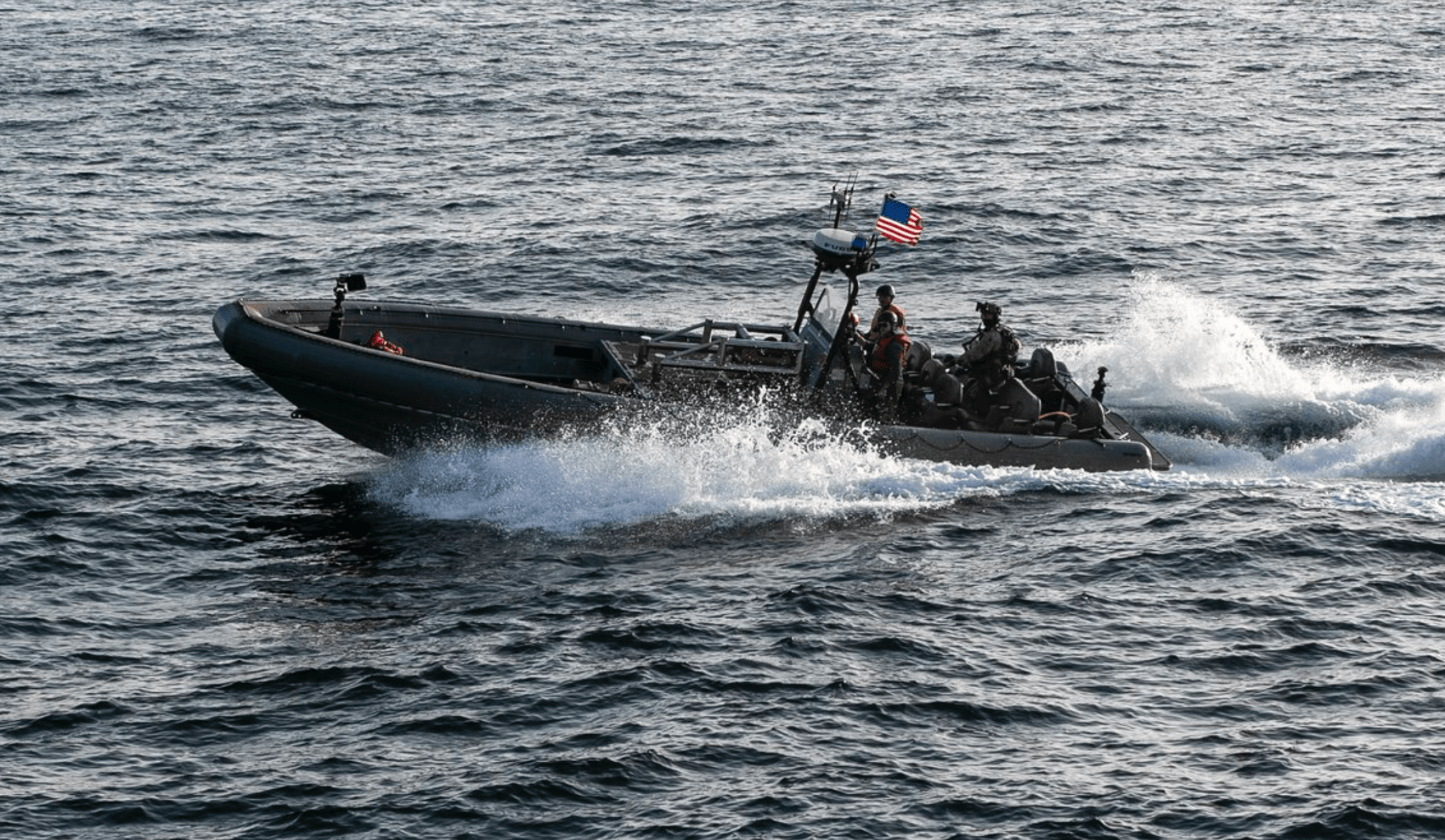
Unless Iran’s regime collapses, the Strait of Hormuz will never be open like it was before the war, according to Jared Cohen, co-head of the Goldman Sachs Global Institute and the bank’s president of global affairs.
Since the U.S. and Israel launched their war in late February, Tehran has discovered how much leverage it can wield over the global economy by closing off the Strait of Hormuz, he said Friday on CNBC. As a result, Iran will not let go.
“You may have traffic flowing through, but the Iranians will likely maintain partial or unilateral control,” Cohen predicted.
For now, both sides are observing a “sloppy ceasefire” where they refrain from launching ballistic missiles and drones at each other. But small fast-attack boats from the Islamic Revolutionary Guard Corps are firing on commercial ships in the Persian Gulf, keeping the strait closed and energy markets in crisis.
Meanwhile, the U.S. Navy has imposed a blockade on Iran-linked ships, even sending boarding parties of Marines to seize control of them, aiming to choke off Tehran’s top source of revenue.
Cohen described the standoff as “maritime trench warfare” with the U.S. and Iran each betting economic coercion will force an eventual surrender.
But from the perspective of the Gulf Cooperation Council, the Arab monarchies neighboring Iran, a comprehensive peace deal is unlikely as long as the Islamic republic remains, he said. Instead, their goal is to buy time and diversify away from the Strait of Hormuz, finding ways to get their energy to customers via other routes.
“My guess is the North Star on this, and where it goes is: you go from a sloppy ceasefire to a strong, enduring ceasefire and a sloppy peace,” Cohen explained. “And a sloppy peace is basically a bunch of half solutions on all the big issues.”
That could mean oil tankers transit through the Strait of Hormuz freely, but the Iranians can close it again at any time for any reason. It could also entail Iran agreeing not to fire missiles while still retaining 1,000-2,000 of them.
U.S. forces patrol the Arabian Sea near M/V Touska, April 20, 2026, after the Iranian-flagged vessel attempted to violate the U.S. naval blockade.
U.S. Navy
At the same time, the Gulf states will scramble to reduce their vulnerability to Iran. Saudi Arabia has already diverted much of its oil exports to the Red Sea via the East-West Pipeline.
The United Arab Emirates also has pipelines that can send oil to Fujairah on the Gulf of Oman, bypassing the Strait of Hormuz. And over the next two and half to three years, the UAE will look to reduce its Hormuz exposure from 50% of its oil exports to zero, downgrading the narrow waterway to a “commercial afterthought,” according to Cohen.
Until then, however, the U.S. and Iran are still going back and forth in on-again, off-again ceasefire talks. On Saturday, President Donald Trump said he would not send his envoys to Pakistan for another round of indirect negotiations after Iran’s top diplomat left Islamabad.
Arab governments think time is on Iran’s side, even as it stands to lose hundred of millions of dollars in oil revenue due to the U.S. naval blockade, Cohen said.
While Tehran waits patiently, the rest of the global economy faces oil and fuel shortages that some analysts warn could precipitate a disaster in the next two months.
“It’s a game of geopolitical chicken between the United States and the Iranians over who’s going to swerve first, and they both have the same theory of change,” Cohen said.
U.S. forces patrol the Arabian Sea near M/V Touska, April 19, 2026, after the Iranian-flagged vessel attempted to violate the U.S. naval blockade.
U.S. Navy
#maritime #trench #warfareto #sloppy #peace #Heres #Strait #Hormuz #standoff