
Mortgage rates rise to 6.3%: Freddie Mac
2 min read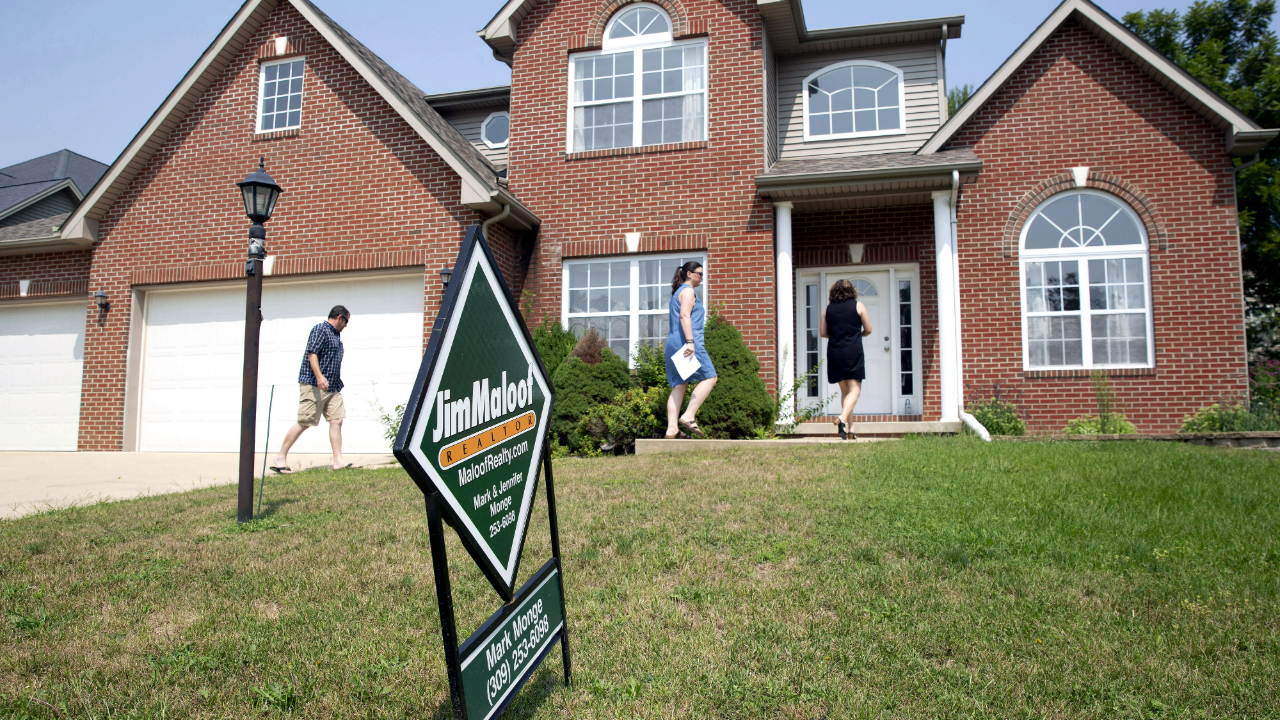
Sotheby’s International reality broker Jenna Stauffer explains why housing demand is rising despite high rates, what the Fed’s next move means and how NYC taxes could disrupt luxury markets on ‘Mornings with Maria.’
Mortgage rates ticked slightly higher this week, mortgage buyer Freddie Mac said Thursday.
Freddie Mac’s latest Primary Mortgage Market Survey, released Thursday, showed the average rate on the benchmark 30-year fixed mortgage rose to 6.3%, up from 6.23% last week.
The average rate on a 30-year loan was 6.76% at this time last year.
HOUSING MARKET GAINING MOMENTUM AS SPRING SEASON BEGINS
“As rates had modestly declined the last few weeks, purchase demand has accelerated with purchase applications rising to over 20% above a year ago,” said Sam Khater, Freddie Mac’s chief economist.
“It is clear that purchase demand continues to hold up as prospective buyers react to both modestly lower rates and more inventory to choose from than the last few years.”
HOUSING CRISIS HITS ALL AGES AS HOMEOWNERSHIP DECLINES NATIONWIDE
Mortgage rates ticked slightly higher than a week ago. (Daniel Acker/Bloomberg via Getty Images)
The average rate on a 15-year fixed mortgage rose to 5.64%, up from 5.58% last week. The rate on 15-year fixed mortgages averaged 5.92% last year.
Mortgage rates are affected by several factors, including the Federal Reserve and geopolitics. Though mortgage rates are not directly affected by the Fed’s interest rate decisions, they closely track the 10-year Treasury yield. The 10-year yield hovered around 4.37% as of Thursday afternoon.
The latest mortgage data follows the Federal Reserve’s decision on Wednesday to leave its benchmark federal funds rate unchanged at a target range of 3.5% to 3.75%.
AVERAGE MONTHLY MORTGAGE PAYMENT HITS NEW HIGH, TOPPING $2K FOR FIRST TIME EVER
Geopolitical risk is influencing interest rates higher, economists say. (Daniel Acker/Bloomberg via Getty Images)
Realtor.com economist Jiayi Xu said that while the Federal Reserve “unsurprisingly held rates steady, the dissent among the voters raises further uncertainty of monetary policy ahead.
“Despite key decisions and upcoming leadership transition for the Fed, geopolitics is likely to be the bigger driver of mortgage rates in the near term.
GET FOX BUSINESS ON THE GO BY CLICKING HERE
“With the U.S.-Iran peace talks hitting an impasse this week, the 10-year treasury bond rose above 4.3% and passed the 4.4% threshold after the Fed left rates unchanged and expressed concerns about the overall uncertainty tied to Middle East tension,” Xu added.
#Mortgage #rates #rise #Freddie #Mac