
CEO of AI-powered performance review firm says annual evaluations weren’t designed for the AI era
3 min read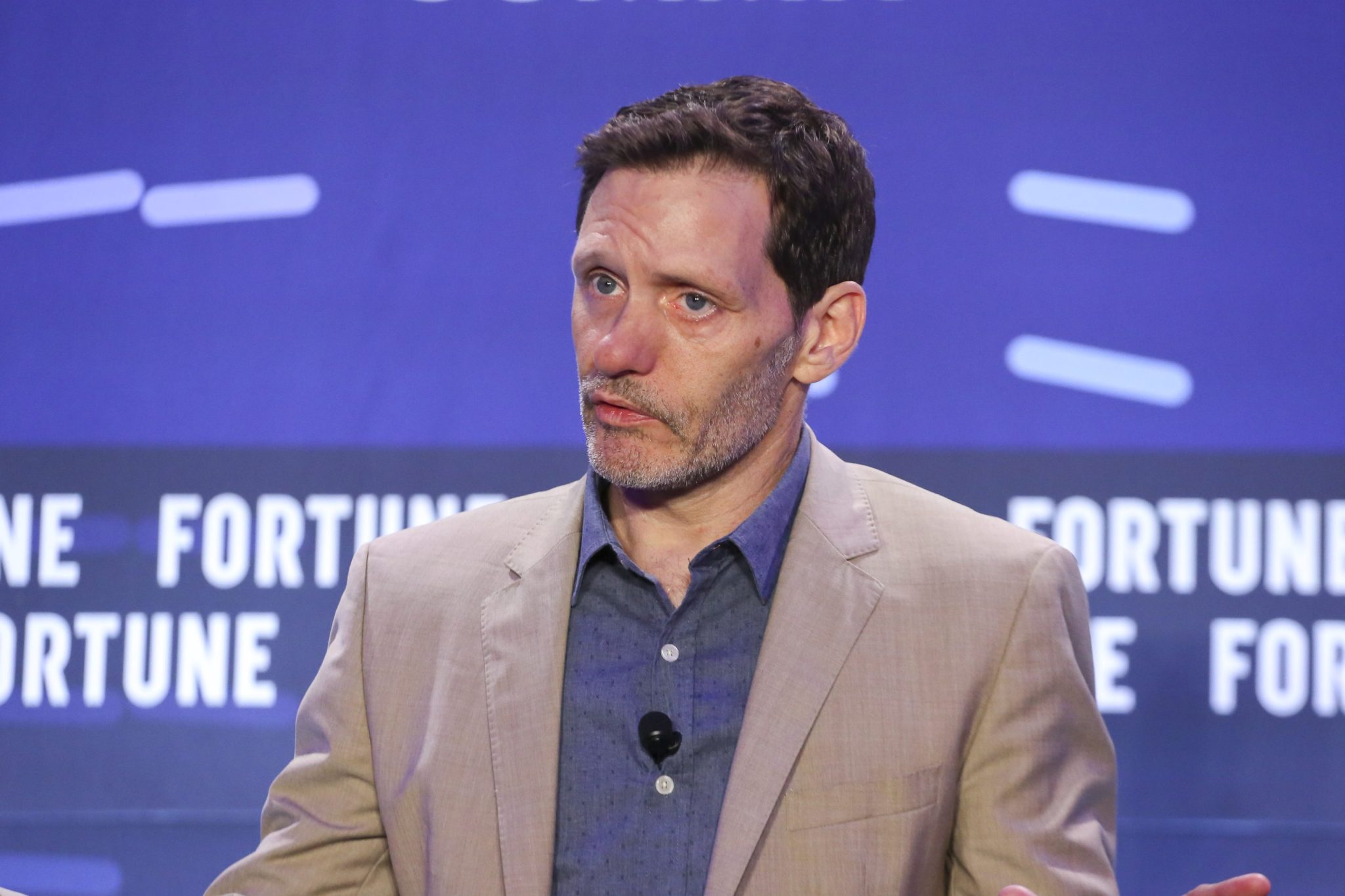
For the vast majority of modern workers, the annual performance review is a dreaded ritual defined by paperwork and an uncomfortable conversation.
According to David Hassell—CEO of AI-powered performance review firm 15Five—this frustration is a structural failure, and one that’s grown obsolete amid speedy technological innovation. Speaking at Fortune’s Workplace Innovation Summit, Hassell said that the traditional review system is a relic of an age with slower technology.
“Annual reviews made sense when the world was pretty static,” he said. “We’re at an accelerating pace of technology and change, and the practice just hasn’t kept up.”
Though long-dreaded and outdated, the annual performance review is still relied on by many firms today to discuss an employee’s potential promotion or performance issues. Even so, most chief human resource officers don’t believe that performance reviews are effective. A 2024 Gallup poll found that just 2% of Fortune 500 CHROs strongly agree that their performance management system inspires their employees to improve.
A ‘backward-looking’ process
To Hassell, part of the problem is the cadence of reviews. Waiting a full year to address performance issues or ask for a raise puts both employees and managers in a precarious position. But because the process is so onerous, requiring managers to gather feedback, document employee performance, and submit formal written evaluations, most firms default to one a year. Even with just an annual review, some research suggests managers spend 210 hours annually on performance management, a sizable chunk of time that could otherwise go toward more pressing work.
And yet, Hassell argues, the annual review isn’t even effective. Most are backward-looking, which does little to help workers focus on growth.
“If you’re going to have a conversation once a year about something that happened three or four months ago, you’re not really going to be able to help that person develop,” he said.
Experts have been sounding the alarm on the flaws of the annual performance review for several years. Dan Kaplan, senior CHRO client partner for consulting firm Korn Ferry, told Fortune in a 2024 interview that the performance review is done annually because “it’s always been done that way.” He added, “What many really good companies have been striving for is to drive continuous feedback.”
To Hassell, a more frequent, simplified approach could alleviate the awkwardness and frustration surrounding the process. Hassell noted that some of his customers conduct performance reviews as many as four times a year. While he doesn’t recommend such a high frequency for every organization, he still suggests upping it from once a year. At least two per year fits the structure of most firms, he said, using a process that is integrated with continuous weekly feedback.
He believes the tech can provide managers with the data they need to have coaching conversations with employees, focusing on helping employees grow rather than acting primarily as administrators. In other words, AI stands to take the rote work out of the performance review process, saving managers hundreds of hours annually. He added that this approach allows reviews to be more forward-looking, subtracting the angst most feel before sitting down with their manager.
“There should never be a surprise at review time,” he said. “At that point, you should be documenting the past but organizing the entire process around the future.”
#CEO #AIpowered #performance #review #firm #annual #evaluations #werent #designed #era