
McKinsey partner says up to 50% of work hours could be transformed within the next 5 years
3 min read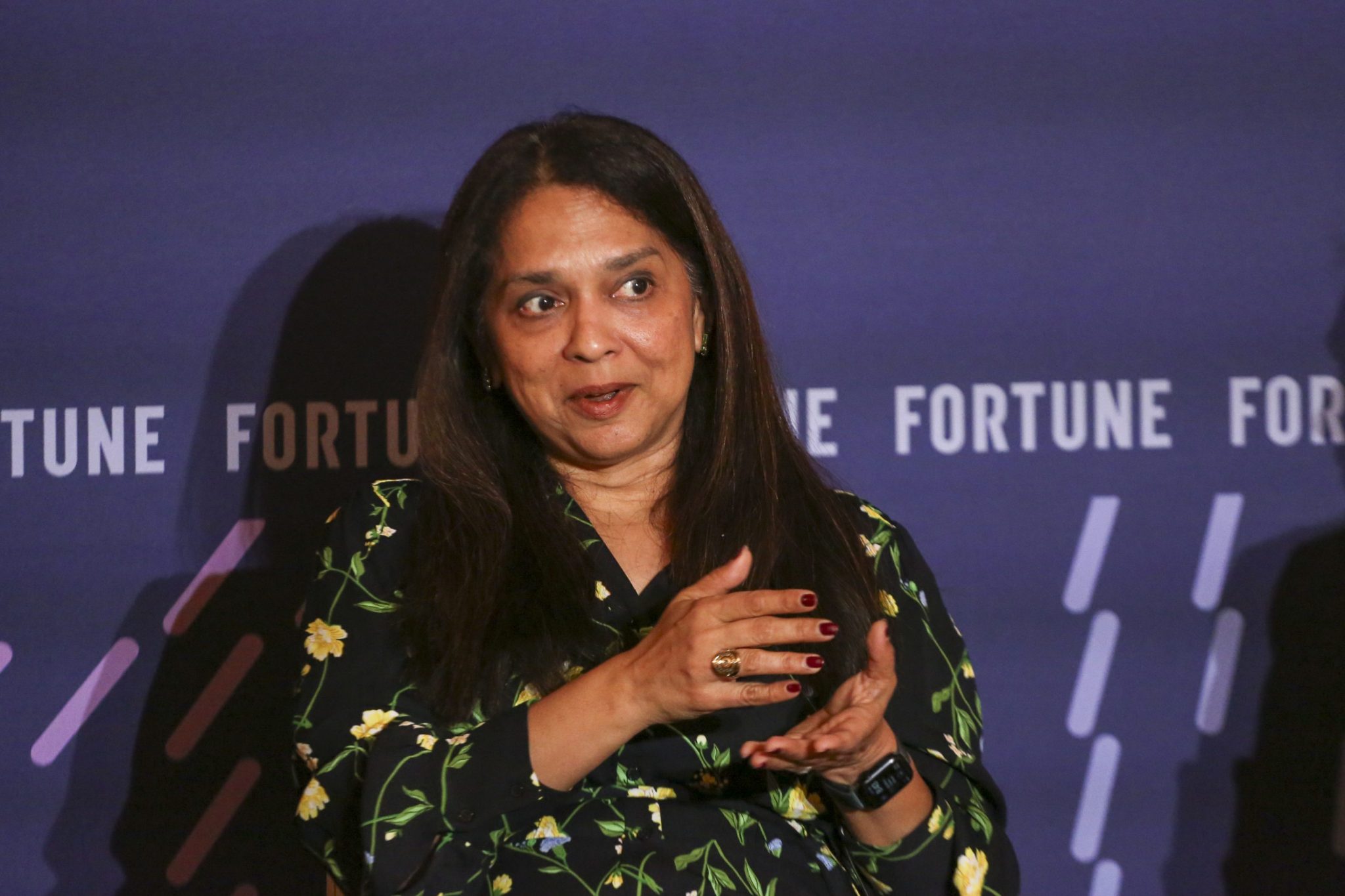
In the past few years, AI tools have entered the rank-and-file mainstream—and now, being skilled with the tech is increasingly a prerequisite for employees. AI fluency is quickly becoming table stakes; Anu Madgavkar, a partner at the McKinsey Global Institute, predicts that up to half of professionals’ working lives could be transformed by advanced tech by the turn of the decade.
“We have a ton of research that suggests anything from 30% to 50% of a person’s work hours and work activities could transform and change in the coming three to five years,” Madgavkar recently said during the “What Do We Mean By ‘AI Fluency?’” panel hosted by McKinsey at Fortune’s Workplace Innovation Summit.
AI fluency has become a hot topic among employers, as described by a McKinsey partner as workers’ ability to leverage tools in their professional tasks. And the management consulting firm has found that the efficiencies are already here; today’s technology can theoretically automate activities that account for about 57% of U.S. work hours, according to a 2025 McKinsey report. AI agents can currently automate tasks that account for 44% of Americans’ work hours, and robots can even take on 13% of the time employees clock in. And no career is immune to a revamp: McKinsey found that every job will require skill changes by 2030.
“Everything about how we transform, and how we work with tools that are embedded with AI capabilities, is what AI tools [are] all about,” Madgavkar continued. “It’s not about any specific software package tool capability—It’s a new way of working.”
However, that doesn’t mean workers are headed for irrelevance. McKinsey’s 2025 research also found that it won’t push human skills out of the picture, predicting that about 70% of current workforce skills can be applied to both automatable and non-automatable tasks. And other leaders maintain that a part of being AI fluent means being able to distinguish the right time to use it—humans need their intuition in this new transformation.
“[AI is] embedded in everything that we do. So going and taking a training on a particular tool, that’s very short-lived,” Yelena Naginsky, talent and performance lead at Google DeepMind, also said during the summit panel. “You need to understand what’s the problem you’re trying to solve. Will this be the right tool for you?…We don’t need more content.”
Scott Helmes, chief people officer at the cloud-based HR platform Gusto, echoes the leaders at McKinsey and Google DeepMind in his assessment of AI fluency. And it’s becoming a powerful lever in both humans’ personal and professional lives. He noted that this tech revolution feels markedly different from others in terms of the pace of innovation; Helmes said that over the last 12 to 18 months, the trajectory of tech has changed dramatically. Applying the tools to workflows can be a huge win for the user experience of businesses.
“AI fluency isn’t tool use—which tool, when to use it, why to use it,” the CPO explained during the session. “It’s how is [AI] transforming and amplifying your ability to drive impact for your customer through the use of the tooling.”
In 2001, Fortune first convened the smartest people we know, bringing together CEOs and founders, builders and investors, thinkers and doers. Since then, Fortune Brainstorm Tech has been the place where bold ideas collide. From June 8–10, we will return to Aspen—where it all began—to mark 25 years of Brainstorm. Register now.
#McKinsey #partner #work #hours #transformed #years