
The next great American tech hub isn’t a city. It’s a corridor between New York and Miami
4 min read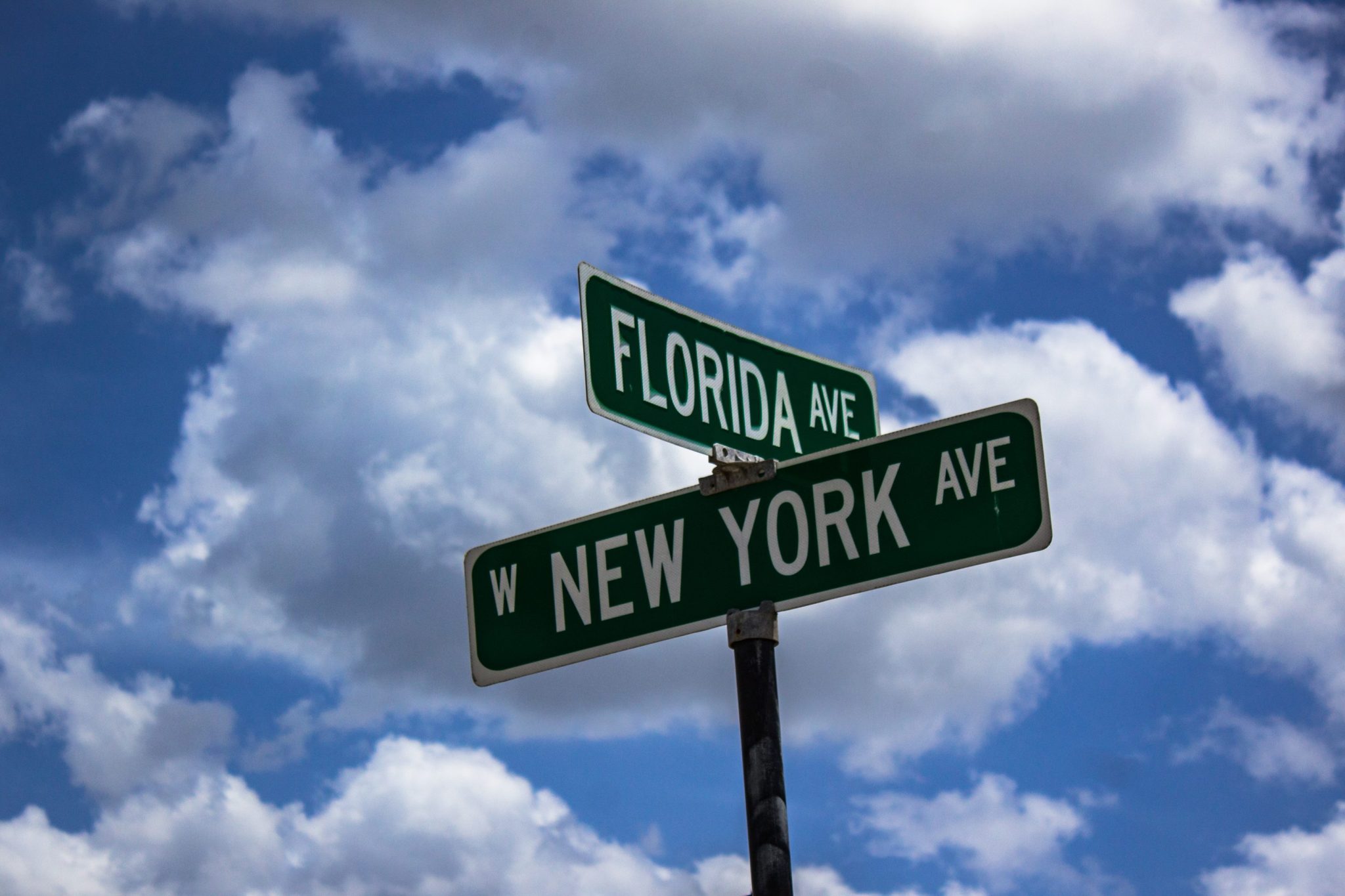
Twenty years ago, betting on New York as a serious technology hub felt contrarian to the point of naivety. Silicon Valley had the engineers, the venture capital, the density of ambition, and most importantly, the shared belief that this was where the future was being built. New York had finance, fashion, and media. The conventional wisdom was that you couldn’t build the next great technology company from a city that didn’t think of itself as a technology city.
We met the way builders in New York tend to find each other: less by design and more because we were both doing interesting things in the same small room. This was a moment when people were openly debating whether Silicon Alley was dead. We built anyway. Matt was incubating and backing businesses like Resy, betting that New York’s density and culture were features, not bugs. Patrick was creating new companies at Thrive.
Thrive Capital went on to become one of the anchors of New York’s venture community. When Google and Facebook announced NYC offices, the reaction from the tech establishment was skepticism. We disagreed. That disagreement turned out to be the thesis.
We all know how the New York story turned out. Today, New York City is home to more than 50 unicorns and has produced some of the most industry-defining companies of the last two decades: Oscar Health, MongoDB, Ramp, Wiz, Etsy. The city’s startup ecosystem raised over $16 billion in venture capital in 2024 alone, ranking it consistently as the second-largest technology hub in the United States and among the top five in the world. The founders who took a chance on New York created companies that couldn’t have been built anywhere else.
After building, financing, and operating startups in what became Silicon Alley, we’re seeing a similar confluence of talent, capital, and company-building emerge — but this time it’s happening in South Florida. This isn’t a COVID-era migration story. It’s something more structural: businesses and talent increasingly occupying the space between New York and Florida. We believe the next generation of great companies will be built in this corridor.
The Next Startup Ecosystem Will Be a Corridor, Not a City
The playbook has long been that as a founder, you move to a geographic hub, absorb the culture, hire from the local talent pool, and network with your neighbors. Silicon Valley worked for this reason, and New York’s concentration of capital, ambition, and adjacent industries similarly came together in a way that sparked cohesion and serendipity.
But AI is challenging the necessity of physical proximity in ways that would have seemed impossible even five years ago. The best engineers can collaborate across time zones with a fluency that wasn’t possible before. The tools that once required a full-stack engineering team can be built by a determined founder and a handful of models. AI-native companies like code editor Cursor and Perplexity AI were built this way and are now valued at more than $20 billion.
This doesn’t mean place no longer matters. It means the nature of place is changing. The question is no longer simply “where is the talent?” It’s “what kind of environment produces the best company at each stage of development?” We believe the answer is increasingly corridors: two cities with unique but complementary advantages functioning as a single integrated system.
We’re actively building what we believe is the most compelling version of this emerging corridor model between New York and South Florida. New York brings what it has always brought: capital density, an unmatched concentration of enterprise relationships, the talent networks of the world’s leading financial and professional services industries, and a culture of rigorous, competitive company-building forged over decades. When your customers are banks, insurance companies, logistics operators, or healthcare systems, there is simply nowhere else like New York.
South Florida, and West Palm Beach in particular, has transformed into a serious business hub. Florida is already home to the second-fastest-growing technology job market in the country, and nearly half of people who move to Florida from New York choose West Palm Beach. Stephen Ross — one of our partners in this effort — is developing West Palm Beach from first principles: talent pipelines, community, physical spaces, and the connective tissue between capital and founders. This foundation is being built by people who have done it before.
Introducing Latitudes
Related Ross has already brought incredible talent, capital, and culture to West Palm Beach. Now, Juxtapose and RSE Ventures are joining Related Ross to help founders build new companies from the ground up in the region. This initiative is called Latitudes.
Latitudes is designed to build category-defining technology companies that operate natively across the corridor — drawing on New York’s enterprise access and talent density and on South Florida’s speed, structural incentives, and business-friendly culture.
The companies taking shape here are structurally different from what Silicon Valley typically backs — focused on defense technology, industrial software transitions, and infrastructure that the Valley has historically underweighted. A different kind of startup ecosystem is emerging, built for durability, not just growth.
What distinguishes this moment from previous regional tech ambitions that never achieved critical mass is the seriousness of the infrastructure commitment behind it. For Juxtapose, this represents a genuine expansion of how we operate. Juxtapose and RSE are both establishing second headquarters in West Palm Beach. This is a flag-plant, not a satellite office.
Looking back on New York City in the early 2000s, it seems obvious now that the tech community would grow the way it did. We see the same signals emerging in South Florida today. We’re making another contrarian bet that the next chapter of great American company-building is starting here.
The opinions expressed in Fortune.com commentary pieces are solely the views of their authors and do not necessarily reflect the opinions and beliefs of Fortune.
#great #American #tech #hub #isnt #city #corridor #York #Miami