
From thyroid cancer to 40‑hour fasts: Inside Daymond John’s biohacking routine
5 min read
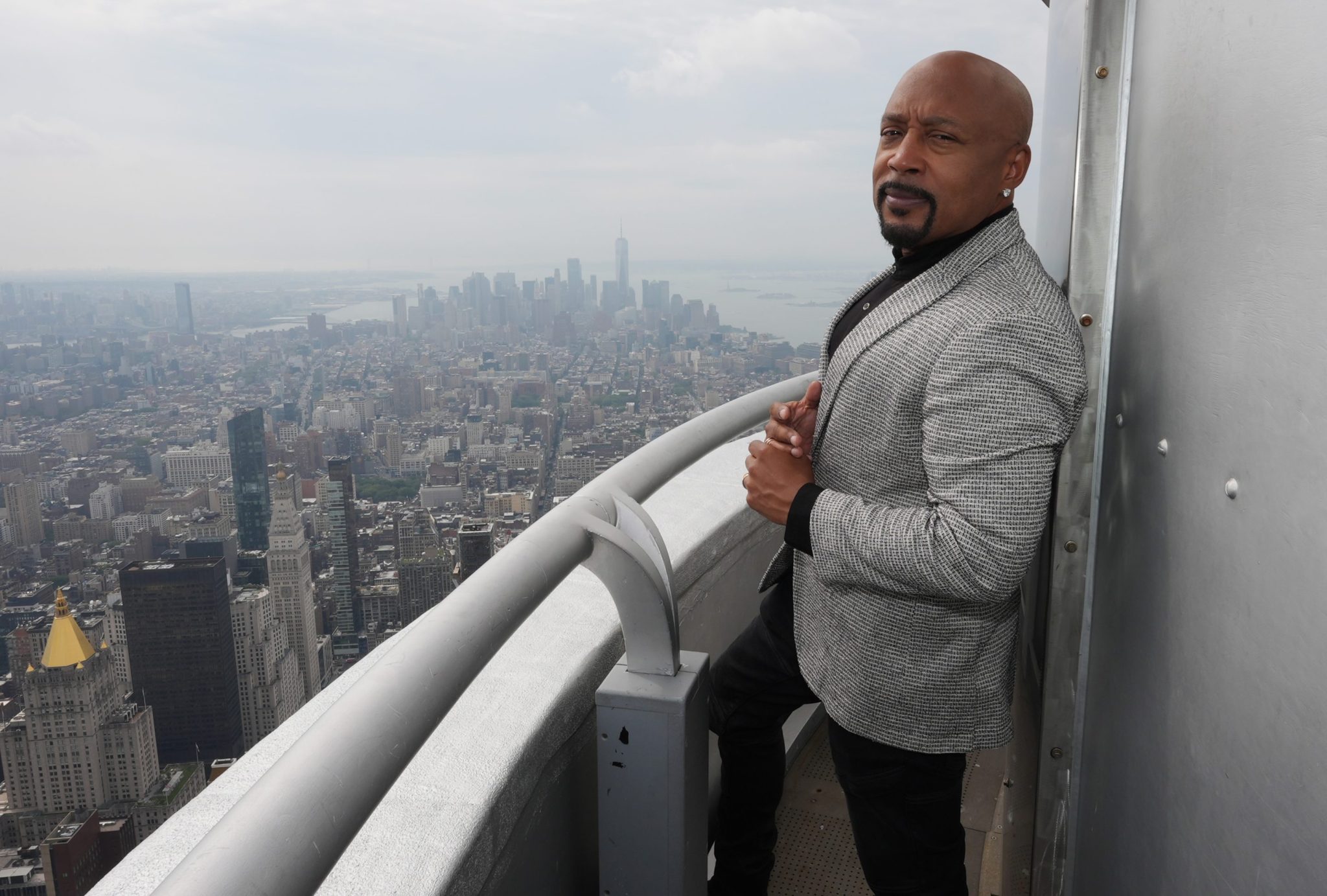
Daymond John has amassed an estimated $350 million fortune, invested in dozens of companies on Shark Tank, written five best-selling books, and helmed his own fashion brand, FUBU, by hustling harder than the next person.
But these days, John is just as focused on outliving his competition as out-negotiating them. After a thyroid cancer diagnosis in 2017, he has turned himself into a biohacker—stacking 40-hour fasts, red-light bed therapy, cold plunges, and hyperbaric oxygen sessions into a schedule that already includes running companies, filming a hit TV show, and raising three daughters.
“I realized that I was taking my life as a joke,” John told Fortune, recalling how five years after he had been cleared of cancer he was heavier than before. That wake-up call reframed everything: losing weight and leading a healthier lifestyle was less about looking good in an old Shark Tank suit and being his “fighting weight” of 175 pounds, and became more about walking his daughters down the aisle someday.
“And then my wife is a big biohacker, and we started doing [red-light therapy] beds, and we started doing cold plunges, started doing all that stuff, and then we just went down this rabbit hole,” John said.
One of the biggest changes came when he gave up alcohol, but it was one that helped him see the most significant changes.
“Dry January [never] worked,” John said. “I had to abstain from it. And right then, all the weight dropped.”
Still, John’s overall success with biohacking has to do with the fact he’s focused on longevity rather than vanity, and how he’s committed to doing what “I knew what I needed to do.”
John is one of many high-net-worth individuals focused on improving their longevity and are self-proclaimed biohackers. On the extreme end of the spectrum, there’s Blueprint founder Bryan Johnson, who spends about $2 million a year on a biohacking protocol that includes a strict diet, 100-plus supplements, constant testing, plasma transfusions, and full‑body light therapy. It’s all in an effort to be 18 again and make death optional, he previously told Fortune’s Eleanor Pringle.
Other tech founders, including Amazon’s Jeff Bezos and PayPal’s Peter Thiel, are also reportedly biohackers, participating in cryotherapy (extreme cold therapy) and other longevity regimens. And biohacking is a trend that’s likely to grow: It’s currently a nearly $25 billion industry, and is expected to reach $69 billion by 2030, according to Grand View Research.
“What often began with niche experimentation in Silicon Valley has become a global movement powered by data, diagnostics and technology once reserved for hospitals and elite athletes,” wrote Lindsay O’Neill-O’Keefe—CEO of Wellness Eternal, creator of the Biohacking Index, and host of the Optimize WE podcast— in December.
Inside Daymond John’s biohacking routine
The clarity John gained from his battle with cancer and experimenting with weight loss in the past has hardened into a strict weekly routine.
Every Wednesday, after one meal, John begins a 40-hour fast and doesn’t eat again until Friday afternoon. He only allows himself black coffee and water, aiming to trigger autophagy: the process of clearing out damaged cells, which also reduces inflammation.
He had tried intermittent fasting before, but it didn’t stick. Drinking alcohol was the blocker, he said, because nightly drinks drove sugar cravings that made fasting unbearable.
John also swears by cold plunges to reduce inflammation and kick-start his mornings. He also lies in what he calls a “red bed,” or red-light therapy, to support recovery, and spends time in a hyperbaric oxygen chamber, a therapy that involves breathing 100% oxygen in a pressurized chamber.
While it typically treats conditions like chronic wounds, carbon monoxide poisoning, and decompression sickness, John and other biohackers use it to enhance the body’s natural healing and infection-fighting abilities. Hyperbaric chambers can vary greatly in cost, typically ranging from about $5,000 to $100,000, depending on size, structure, and brand.
On top of all of those practices, John also routinely undergoes extracorporeal blood oxygenation and ozonation treatments, which essentially serves as blood filtration—sort of like dialysis. The process, which he does every few months, detoxifies, oxygenates, and filters blood.
Once a year, John also books an “executive physical” at Fountain Life, the Tony Robbins-backed preventative care company that uses advanced imaging to look for early signs of disease.
He even shares his lab results on social media, along with his overall biohacking journey, so people “can laugh at me when they see me eating some disgusting food,” he said. “Keep me honest.”
For all the hardware, John insists he’s not trying to play doctor on TV.
“Am I one of these scientists with the great body? No,” he said. “I’m the guy who could lose a couple of pounds, short, old, busy, love sugar, carbs, New Orleans fried food. I’m going to tell you in very simple ways what I think you should do.” He said he tries to be good about what he eats about 80% of the time.
This persona is central to why John has taken his health journey so public. He shares his experiments—and the missteps—with the expectation viewers will then crosscheck them with their own doctors and even with AI tools.
John submits his supplement stack to AI to see if it can track what overlaps, what cancels out, and when he should take each pill. And as for his business connection to biohacking, he’s invested in Lotus, a startup that ties together years of medical records and wearable data. He’s also invested in Regenerate, which develops regenerative injectables used by UFC athletes.
John’s commitment to biohacking has had unexpected side effects at home, too. Many of his devices, like a “biocharger” that emits electromagnetic frequencies, require him to keep his phone at a distance. That forced disconnection, he said, has deepened his relationship with his wife, Heather. They sit through sessions together, talking without screens, and she has become his fiercest accountability partner.
“I got to know her recently,” John said. “She’s a good person, you know. There’s so many different advantages you find in some of these things.”
He is also upfront about making room for joy—and junk food. He limits fried food to once a week, aims to eat grass‑fed beef and lamb with fermented foods between 3 p.m. and 7 p.m. most days, and scans his visceral fat (body fat stored deep within the abdominal cavity) every few months.
But when his family is on vacation in Europe, he eats the pasta and bread.
“We’ll just have to pay for it when we get back,” he said. “If I’m going to enjoy it, I’m going to enjoy it with somebody I love.”
#thyroid #cancer #40hour #fasts #Daymond #Johns #biohacking #routine