
Venezuela is back in the oil game at a critical moment
5 min read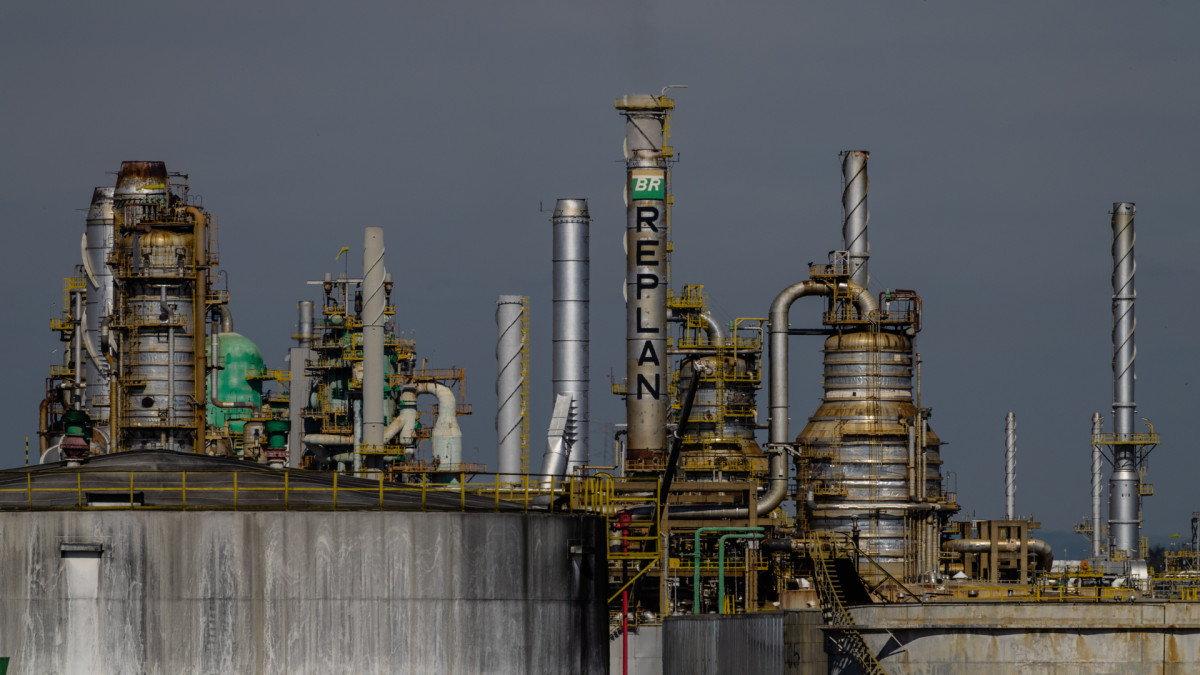
The Strait of Hormuz is under strain. Iranian oil exports are in jeopardy. And the global energy market was desperately looking for a pressure valve.
Venezuela just quietly opened one.
For the first time since late 2024, Venezuela has resumed exports of diluted crude oil (DCO). The grade had been sitting frozen in storage tanks for 15 months while U.S. sanctions choked the country’s oil sector.
According to a document from PDVSA (the state-owned oil and gas company of Venezuela) reviewed by Reuters, Chevron shipped a 500,000-barrel cargo to the U.S. Gulf Coast this month.
It is the first such shipment since late 2024 — small in volume, but significant in timing.
Why DCO extra-heavy crude matters right now
DCO is not the kind of oil that gets talked about at dinner parties. It is heavy Orinoco Belt crude blended with naphtha to make it runny enough to pump through a pipeline. It’s unglamorous, but certain refineries along the U.S. Gulf Coast were literally built around it.
These plants use coker units, equipment designed specifically to crack dense heavy crude into gasoline, diesel, and jet fuel. You cannot swap in light Texas shale and get the same result. Venezuelan extra-heavy crude is one of the only grades on earth that runs through that equipment properly, RFE/RL explains.
For those refiners, this is not a nice-to-have. It is an operational necessity.
By end of February, DCO stockpiles inside Venezuela had hit 4.8 million barrels, the highest buildup of any heavy grade in the Orinoco. That oil had been sitting in tanks for 15 months, going nowhere.
The Chevron shipment means the tap is finally back open.
The Iran conflict changes the oil story
Under normal circumstances, a 500,000-barrel cargo from Venezuela would barely register as news.
These are not normal circumstances.
The Feb. 28 U.S.-Israel military strikes on Iran shut down commercial shipping through the Strait of Hormuz. What was a routine supply story became something with real geopolitical stakes overnight.
More Oil and Gas:
Energy giant sends blunt $20 billion message on dividend growth147-year-old oil giant just raised dividend 4% in 2026Top energy stocks to buy amid Venezuela chaos
The Strait moves roughly one-fifth of all global oil consumption, about 20 million barrels a day, according to Al Jazeera. Saudi Arabia, Iraq, the UAE, and Kuwait all route exports through that narrow passage.
With Iranian retaliatory strikes threatening tanker traffic, the supply risk to Asia and Europe is not theoretical. It is immediate.
Venezuela’s oil bypasses all of that. It moves through the Caribbean into the Atlantic, well outside the conflict zone. That geographic fact, barely worth noting a month ago, is now a genuine strategic advantage.
PDVSA stated this week that it intends to be a “reliable provider” to U.S. markets, Venezuelanalysis reported. The timing of that statement was no accident.
Why Venezuela’s oil matters more in a war marketVenezuela holds the world’s largest proven oil reserves, estimated at 303 billion barrels, surpassing Saudi Arabia.Its exports bypass the Strait of Hormuz entirely, immune to the current chokepoint disruption.Output could rise to 1.1 to 1.2 million barrels per day by year-end if sanctions relief holds, per Kpler.J.P. Morgan calls Venezuela a major upside risk to the global supply outlook for 2026 and 2027.How the lifting of Venezuela oil sanctions made this possible
None of this would be happening without a major pivot in Washington. When U.S. forces captured Nicolas Maduro in early January, the Trump administration moved quickly to issue expanded energy licenses.
The era of maximum pressure on Venezuela was giving way to something more pragmatic.
Chevron now operates under an indefinite license with no revocation threat hanging over it. Trading giants Vitol and Trafigura have already shipped 27 million barrels of Venezuelan crude since the licenses expanded, mostly the Merey heavy grade.
The DCO shipment is the next phase, getting blending operations mothballed since late 2024 back up and running.
Venezuela’s oil moves through the Caribbean into the Atlantic, well outside the conflict zone surrounding Iran.
Ronaldo SCHEMIDT/ AFP via Getty Images
Venezuela also passed a new Hydrocarbon Law in late January. It gave foreign companies more operational control, a lighter tax load and access to international arbitration.
That last part matters more than it sounds. It is what convinces oil executives to commit real capital rather than just sign framework agreements.
What Venezuela’s renewed production means for oil supply and prices
Here is the honest read. In the short term, Venezuela’s restart does not move the dial much. The country pumps less than one million barrels per day, which is less than 1% of global supply. One cargo from Chevron is not going to change the trajectory of Brent crude. Prices barely blinked.
The broader market is also well supplied. According to the U.S. Energy Information Administration (EIA), Brent will average $58 per barrel this year, down from $69 in 2025. U.S. shale is keeping a lid on prices even as the Middle East burns.
In addition, Enverus Intelligence Research puts global oversupply at one to two million barrels per day in the first half of 2026. Venezuela’s incremental barrels are a drop in that ocean.
The longer view is more interesting. Goldman Sachs estimates Venezuelan production hitting two million barrels per day would shave about $4 off the price of a barrel by 2030. RBC’s Helima Croft thinks full sanctions relief could add several hundred thousand barrels within 12 months if the political transition holds.
What analysts say Venezuela means for oil pricesShort term:TD Securities says any price spike above $60 is unsustainable, given the supply glut and OPEC spare capacity.Medium term:The EIA projects Venezuelan output recovering to pre-blockade levels by Q2 2026, adding modest downward price pressure.Long term: Goldman sees a $4 per barrel drag by 2030 if production reaches two million barrels per day, according to CNBC Africa.Wildcard: If Iran disruptions worsen, J.P. Morgan warns sustained supply shocks could push prices sharply higher, swamping any Venezuelan relief.
PVM Oil analyst Tamas Varga said it plainly: The world has enough oil in 2026 with or without Venezuela.
What Venezuela represents right now is not a price catalyst. It is a signal that the geopolitical and commercial ice around one of the world’s most resource-rich countries is finally starting to thaw.
Related: What happens to oil prices if bombs and bullets fly in Iran
#Venezuela #oil #game #critical #moment