
Analysts have a message for investors on the silver price drop
4 min read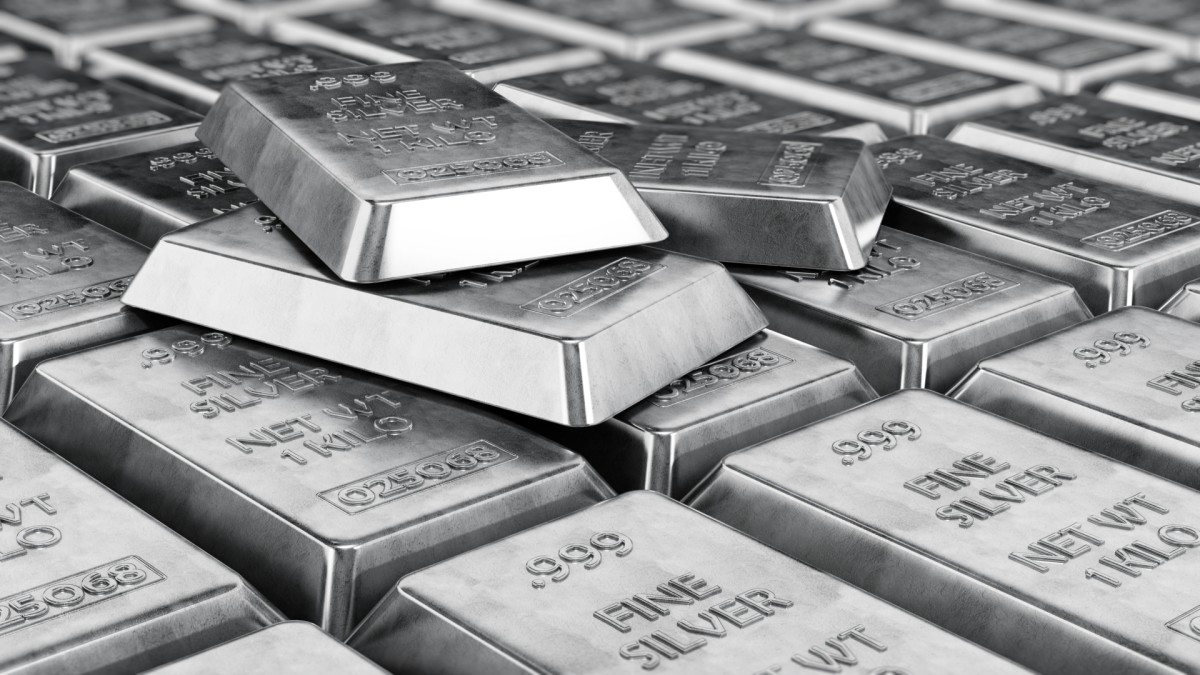
Silver was doing everything right just days ago. After clawing back from a brutal January crash and staging a double-digit recovery through February, the metal was trading above $95 as recently as March 2. Then it fell off a cliff again, sliding nearly 10% in 48 hours and leaving investors wondering all over again what is actually going on.
But while retail investors have been whipsawed twice in five weeks, the big institutional players have barely flinched. Year-end price targets are intact, the supply deficit story has not changed, and physical premiums at dealers are actually holding firm.
So is this a metal in trouble, or one setting up for its next move higher?
How silver got here: a tale of three moves
Silver hit an all-time high of $121.64 per ounce on Jan. 29. Then, within hours, it all collapsed, as CNBC reported.
President Donald Trump’s nomination of Kevin Warsh as Fed chair sent the dollar surging, and CME Group raised margin requirements on silver futures the same weekend, triggering a cascade of forced liquidations.
Silver futures settled down 31.4% that Friday, Jan. 30, the worst single session since March 1980.
More Gold:
Gold, silver surge after record drop flashes technical signalSilver and gold tumble triggers major reset for mining stocksJ.P. Morgan revises gold price target for 2026
What followed was a slow, grinding recovery. Silver climbed steadily throughout February, gaining more than 10% across the month as the forced selling pressure cleared and buyers stepped back in. By early March, silver had surged back to nearly $95.85, briefly recapturing most of what was lost.
Then came the second reversal. A strengthening dollar and cooling expectations for Fed rate cuts hit precious metals hard in the first week of March, according to IndexBox, pulling silver back to the low $80s, where it is consolidating now.
That is the drop investors are reacting to this week.
Wall Street has not blinked on silver
Through all of that volatility, institutional conviction has barely shifted.
J.P. Morgan forecasts silver averaging $81 per ounce for 2026, noting the metal can significantly overshoot that average during strong inflow periods. Deutsche Bank has gone further, flagging $100 by year-end, arguing that silver tends to outperform gold in the later stages of a metals bull cycle.
Neither bank has revised those targets through either sell-off. Their shared argument is that the financial market volatility is disconnected from the fundamental picture, which has not changed.
What major institutions are forecasting for silver in 2026J.P. Morgan: $81 annual average, noting potential for significant overshoot during strong inflow periodsDeutsche Bank: $100 by year-end, citing silver’s late-cycle outperformance tendency relative to goldCitigroup: $150 target for Q2 2026, pointing to bullish investment demand and tightening physical supply hubs outside the U.S.UBS: Bullish on fundamentals, emphasizing supply deficits and structural demand from solar, electronics and electrificationThe silver supply deficit has not gone away
The Silver Institute projects a 67-million-ounce deficit for 2026, Investing News Network noted, the sixth consecutive year the market cannot produce enough to meet demand.
The cumulative five-year shortfall has topped 800 million ounces, per Money Metals. And because about 75% of silver is mined as a byproduct of other metals, as Marketplace reported, higher prices alone cannot quickly fix it.
Key supply pressures keeping the market tightGlobal mine output is expected to grow just 1% in 2026 to approximately 820 million ounces, well short of total annual demand.Shanghai silver inventories dropped nearly 90% from 2021 levels through 2025, tightening Asia’s physical float considerably.Physical silver bars were airlifted to U.S. vaults earlier this year as stockpiling ahead of potential tariffs strained global distribution.New large-scale mining projects face permitting timelines of five years or more, meaning no meaningful supply relief is on the near-term horizon.Industrial demand for silver remains the floor
None of the financial volatility has touched silver’s industrial demand picture. Industrial applications account for roughly 60% of total consumption, and that share is growing.
Solar manufacturing, AI data centers, electric vehicles, and advanced electronics are all compounding year over year.
There is one nuance worth watching. Some thrifting is occurring in the solar sector as panel manufacturers work to reduce silver content per unit. But even accounting for that, the Silver Institute still expects computing sector demand to stay strong as data center and AI infrastructure buildouts accelerate through the year.
Demand for silver is outstripping supply, as The Silver Institute projects a 67-million-ounce deficit for 2026.
Vladkk/Shutterstock
The physical silver market is telling a different story
Through both sell-offs, the physical market has behaved differently from paper markets. While futures traders and ETF holders were selling, premiums on coins and bars at dealers moved higher, a sign that end buyers were stepping in even as leveraged positions were unwound.
The Silver Institute projects physical investment demand rising 20% in 2026 to 227 million ounces, a three-year high. Exchange-traded product holdings remain near record levels even after recent outflows, suggesting that institutional conviction has not shifted.
That gap between paper selling and physical buying is the kind of signal professionals watch closely at turning points.
What needs to change for silver to bounce back
Silver is consolidating in the low $80s, with $80 and $90 being the two levels traders are watching. Holding above $80 keeps the longer-term structure intact. Reclaiming $90 would signal another run at the early-March highs is on the table.
The two variables that matter most are the dollar and Fed rate expectations. Markets are pricing in roughly 0.6% of easing by year-end, Trading Economics indicates. Any shift that makes cuts more likely removes the main headwind.
The Silver Institute’s read is that the structural forces behind silver’s record highs remain firmly in place, and as CMC Markets analyst Christopher Forbes noted, the upward trend remains intact for investors willing to look past the near-term noise, CNBC reported.
The volatility has been real. But for most analysts watching this market, the bigger story has not changed.
Related: Bank of America revamps silver stock price target for 2026
#Analysts #message #investors #silver #price #drop