
Jet fuel prices jumped 60 percent: Your next flight will cost more
7 min read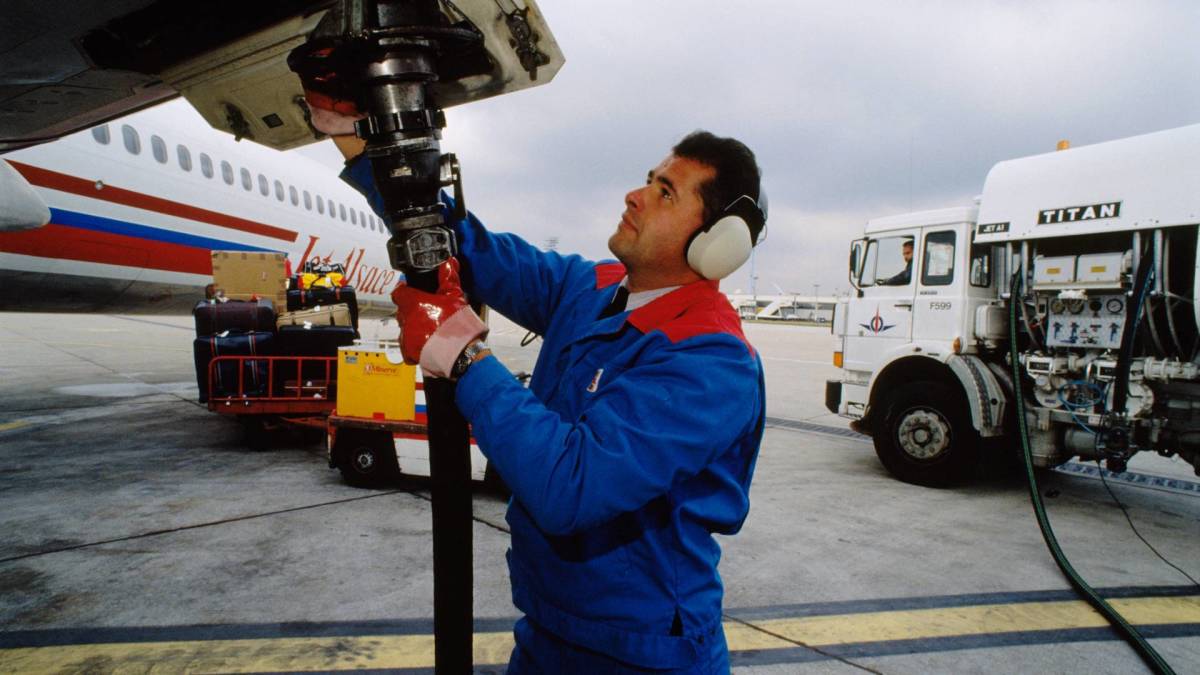
You probably locked in summer flights early this year, or maybe even snagged a deal that made you feel financially confident about your upcoming travel plans.
That sense of certainty is about to get tested hard, because something has shifted dramatically behind the scenes at every major airline currently in full operation.
The cost of fueling just one Boeing 737-800 for a domestic route surged by nearly $10,000 in under a single week earlier this month alone. Airline executives are no longer hiding behind careful corporate language, with United Airlines CEO Scott Kirby warning that fare increases will probably happen very quickly.
The Iran conflict disrupted the world’s most critical energy shipping route, and the consequences are now reaching your next flight reservation in real time across the board.
A 60% spike in jet fuel just reshaped the cost of every single flight you book
At the start of 2026, a gallon of jet fuel in the United States cost $2.11, according to the Argus U.S. Jet Fuel Index published in early March of this year.
By March 10, that same gallon had climbed to $3.40, marking a gain of more than 60% in barely over two months of volatile market trading.
Related: Another airline prepares to file for bankruptcy, all flights off
Separate data from S&P Global’s Platts showed U.S. jet fuel reaching $3.78 per gallon by March 11, CNBC reported, approaching the panic levels seen during Russia’s 2022 Ukraine invasion. The International Air Transport Association reported that global jet fuel prices climbed approximately 83% over the past month as of March 17 of this calendar year.
Fuel is an airline’s second-largest expense after labor, typically accounting for between 20% and 30% of all annual operating costs across the entire global aviation industry. United Airlines alone spent $11.4 billion on fuel in 2025, at an average per-gallon price of $2.44, according to a recent SEC filing from the carrier.
Airlines around the world are already raising fares to cover mounting losses
The cost pressure is no longer theoretical, because airlines across Asia, Europe, and Oceania have already announced fare hikes or added new fuel surcharges on tickets.
Cathay Pacific revealed it would roughly double its fuel surcharges starting March 18, according to CNBC. CEO Ronald Lam told press that the cost of fuel so far this month was already double the average of the previous two months.
More Airlines:
American Air launching 15 new summer routes between U.S. citiesLow-cost airline will launch new flight to South Korea from USAmerican Airlines joins the Spirit Airlines bankruptcy case
Australia’s Qantas Airways, Scandinavia’s SAS, and Air New Zealand all raised fares in recent days, each directly blaming the sharp and sudden global oil surge. Air New Zealand went further and pulled its full financial outlook entirely, stating it could not forecast results until fuel markets and broader operating conditions fully stabilized.
Willie Walsh, director general of the International Air Transport Association, warned that global ticket prices across the aviation industry could jump by as much as 9%.
Most fare hikes so far have come from carriers in the Asia-Pacific region, but analysts expect U.S. airlines to follow quickly if elevated fuel costs persist.
The Strait of Hormuz closure triggered the largest oil disruption in modern history
The root cause of this fuel price surge traces directly to a physical chokepoint in the Middle East called the Strait of Hormuz waterway. Iran declared the Strait effectively closed starting March 4, after the U.S.-Israeli military strikes on Iranian leadership and military infrastructure began on February 28 of this year.
The Strait normally handles roughly 20% of the world’s total oil consumption and about 27% of all seaborne crude oil trade globally, per EIA analysis data. Tanker traffic through the waterway dropped by approximately 70% in the first week of the closure, with more than 150 ships anchoring outside to avoid potential strikes.
Most U.S. airlines stopped hedging fuel costs before this crisis hit their books
Here is a detail that makes the current spike even more painful for every domestic carrier and, by direct extension, for every passenger flying inside the country. Most major U.S. airlines no longer hedge their fuel costs, meaning they do not lock in future prices using financial instruments like forward contracts or options.
Southwest Airlines was one of the last major holdouts on fuel hedging, and the Dallas-based carrier quit its program entirely last year after winding it down.
When jet fuel prices spike without hedging protection in place, U.S. carriers absorb the full cost and then pass those increases directly to you through fares.
Some European and Asian carriers hedged portions of their fuel purchases earlier, but even those airlines warned that sustained high prices would eventually overwhelm their current protections.
Rising fuel prices driven by geopolitical conflict are forcing airlines to increase fares, impacting travel plans across major global routes.
Anadolu/Getty Images
Rising fuel costs extend far beyond plane tickets to everyday household expenses
The jet fuel spike is part of a broader oil price shock that is already reaching you at the gas pump and inside your regular grocery bill. The national average gasoline price reached $3.79 per gallon as of mid-March, rising approximately 80 cents from one month earlier, according to AAA fuel data tracking.
Diesel prices topped $5 per gallon for the first time since Russia’s 2022 invasion of Ukraine, which directly pushes up trucking and freight costs across the whole economy.
Higher trucking expenses flow through the entire retail supply chain, meaning you could start seeing rising costs on groceries, consumer goods, and household essentials in the coming weeks.
Nicholas Bloom, an economics professor at Stanford University, warned during a Harvard Kennedy School panel that this dynamic significantly worsens economic inequality across every income bracket.
The people who can least afford rising prices on fuel, food, and airfare will be the ones most likely to feel the hardest financial squeeze this summer.
Summer travelers face shrinking window to grab fares before they climb even more
If you are planning to fly between June and August of 2026, the window to secure a reasonable fare may be closing faster than you initially expected. Jefferies airline analyst Sheila Kahyaoglu said the most severe financial impact on airlines will likely arrive within the next 30 to 90 days from this point.
She explained that airlines had already booked ticket revenue for near-term flights, assuming much lower fuel prices, and cannot retroactively raise fares on those existing reservations.
Related: American Airlines makes payment change some will appreciate
That gap between what airlines already charged weeks ago and what fuel costs right now means forward-looking ticket prices will rise more aggressively to compensate quickly.
UBS analysts noted that the current strong demand environment gives airlines the cover to push fares higher, because leisure and business travel bookings remain surprisingly strong. Rob Handfield, a global supply chain expert at North Carolina State University, told reporters he expects visible fare increases on search engines within just a few days.
Smart moves you can make right now to protect your summer travel spending
You are not powerless in this environment, but acting fast and being strategic with your booking decisions will matter more now than in any recent travel year.
Book summer flights now if your travel dates are already confirmed and set. Lock in your airfare now rather than waiting for prices to potentially drop any further this spring.Buy refundable or changeable tickets whenever that option is available, so you can rebook at a lower price if fares actually decline before your departure day.Use your airline miles and credit card points before their value erodes further.Check your frequent flyer and credit card points balances carefully, because award travel pricing often moves independently from the volatile and unpredictable cash fare market.Redemption rates on airline miles through programs from Chase, Amex, and Capital One may offer you better value right now than paying cash for overpriced tickets.Consider flying in August or choosing off-peak travel dates for real savings. Flying in August rather than June or July has historically saved travelers real money, because demand drops sharply once mid-summer school schedules begin to shift nationwide.
Data from Points Path showed the cheapest days for summer 2026 flights clustered heavily in August, with early and mid-month dates ranking as the best available options.
Book nonstop flights whenever your budget allows you to choose direct routes
Nonstop flights reduce your exposure to cancellations and delays that can strand you in cities where rebooking costs are now rising alongside the broader fare environment.
Google Flights data show that layover flights save about 22% on average, but missed connections and stranding risks grow sharply during periods of widespread industry disruption.
The longer this conflict continues, the steeper your overall travel costs could climb. The critical variable for your entire travel budget this year is duration, because analysts say the Strait of Hormuz closure length determines how high prices ultimately climb.
Rick Joswick of S&P Global’s oil analytics team warned that a disruption lasting more than one month could mirror the severity of the devastating 1979 oil crisis, NPR reported. The 32 member states of the International Energy Agency agreed on March 11 to release 400 million barrels of oil from their emergency strategic petroleum reserve stockpiles.
Joswick cautioned that releasing crude oil reserves may not quickly lower jet fuel prices specifically, because refineries still require time to convert raw crude into aviation fuel.
President Donald Trump suggested the Iran conflict could end very soon, but conflicting signals from the administration have left both markets and airlines without any clear resolution timeline.
For now, the safest assumption for your summer plans is that airfares will keep climbing unless the Strait fully reopens or oil markets find meaningful and lasting stability.
Related: Iran’s shocking threat to boost oil to $200
#Jet #fuel #prices #jumped #percent #flight #cost