
This Gulf oil stock is more about cash than crude
3 min read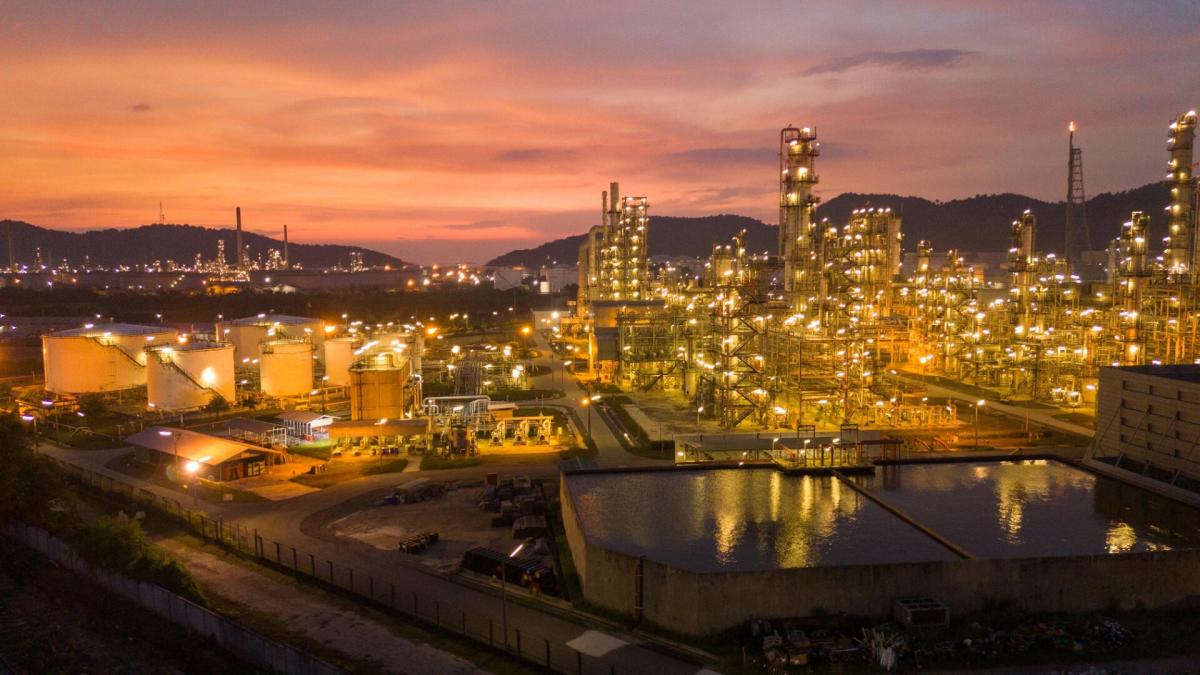
W&T Offshore (WTI) used its latest earnings report to show investors a steadier version of the small-cap offshore oil story. Production climbed each quarter of 2025, fourth-quarter output reached 36.2 thousand barrels of oil equivalent per day (MBoe/d), adjusted EBITDA for the year came in at $129.6 million, and year-end cash rose to $140.6 million. Net debt fell to $210.3 million from $284.2 million a year earlier, giving management more flexibility than it had heading into 2025.
That balance-sheet progress matters because W&T is not entering 2026 with a large drilling program. Management is still leaning on workovers, recompletions, and acquisitions rather than aggressive new-well spending. The company said 2025 capital expenditures totaled $54.8 million, below the low end of guidance, and 2026 capital spending is expected to be just $19.5 million to $24.5 million. In other words, the operating story is improving, but the growth story still depends heavily on how W&T allocates cash from here.
Output grew, and costs stayed in line
W&T’s 2025 operating gains were real. Full-year production averaged 34.0 MBoe/d, up from 30.8 MBoe/d in 2024, and fourth-quarter production was 13% above the year-earlier period. Lease operating expense in the fourth quarter was $22.40 per barrel of oil equivalent, down from $23.27 in the third quarter. The company also highlighted its West Delta 73 alternative route project, saying roughly $19.8 million of spending should unlock more than $60 million of undiscounted incremental cash flow and reduce transportation costs by more than $5.75 per barrel beginning in the first quarter of 2026.
More OilMorgan Stanley has a stark warning for oil investorsOil’s whiplash is powering ConocoPhillips, but the real catalyst is internalA record release of oil reserves is no match for a scared energy market — oil prices are already back above where they were
That kind of project fits W&T’s current approach. The company is trying to generate better margins from existing assets and previously acquired fields instead of chasing growth through a heavier drilling budget. Management also said it completed the production enhancement and facility work tied to the Cox acquisition, helping support the higher exit-rate production seen in December.
W&T by the numbersIndependent oil and gas producer focused offshore in the Gulf of AmericaWorking interests in 50 fields as of Sept. 30, 2025, including 43 in federal waters and seven in state watersApproximately 624,700 gross acres under lease, including shelf, deepwater, and Alabama state-water acreageYear-end 2025 proved reserves of 121.0 million barrels of oil equivalent with a PV-10 of about $1.1 billionThe balance sheet is giving management more room
The financial side of the report may matter more than the production headline. W&T said total debt at year-end 2025 was $350.8 million, down from $393.2 million a year earlier, while cash increased by $31.6 million. In January 2026, the company also issued $350 million of new 11.75% second-lien notes due 2029 and secured a new revolving credit facility maturing in July 2028, steps management said lowered its interest cost by 100 basis points and improved liquidity.
Related: Wall Street just gave Devon Energy investors a big surprise
Shareholder returns remain limited, though management has maintained them. W&T declared another quarterly dividend of $0.01 per share in March, marking its ninth consecutive quarterly cash dividend since late 2023. That payout is small, but it reinforces the company’s financial discipline as it builds cash and pursues acquisitions.
Commodity prices for many products, including oil, are affected by weather.
Shutterstock
What investors should watch next
W&T’s 2026 setup is straightforward. The company has more liquidity, lower net debt, and a reserve base that still gives management room to pursue deals. It also said proposed federal changes to offshore decommissioning financial-assurance rules could reduce future bonding and insurance burdens across the Gulf, potentially freeing up more capital for operators like W&T.
The main risks remain familiar. Commodity prices have softened from stronger periods, weather already caused temporary offshore downtime early in 2026, and plugging and abandonment costs are expected to run high this year. W&T also is not planning to drill its way into faster growth right now.
That leaves the stock tied to a simpler question: whether management can turn a stronger balance sheet and stable production base into accretive acquisitions and better cash flow over time.
Related: Sable Offshore runs into a California Line 325 chokepoint
#Gulf #oil #stock #cash #crude