
Alix Earle on turning viral fame into Super Bowl ads, Poppi equity, and her own brand
10 min read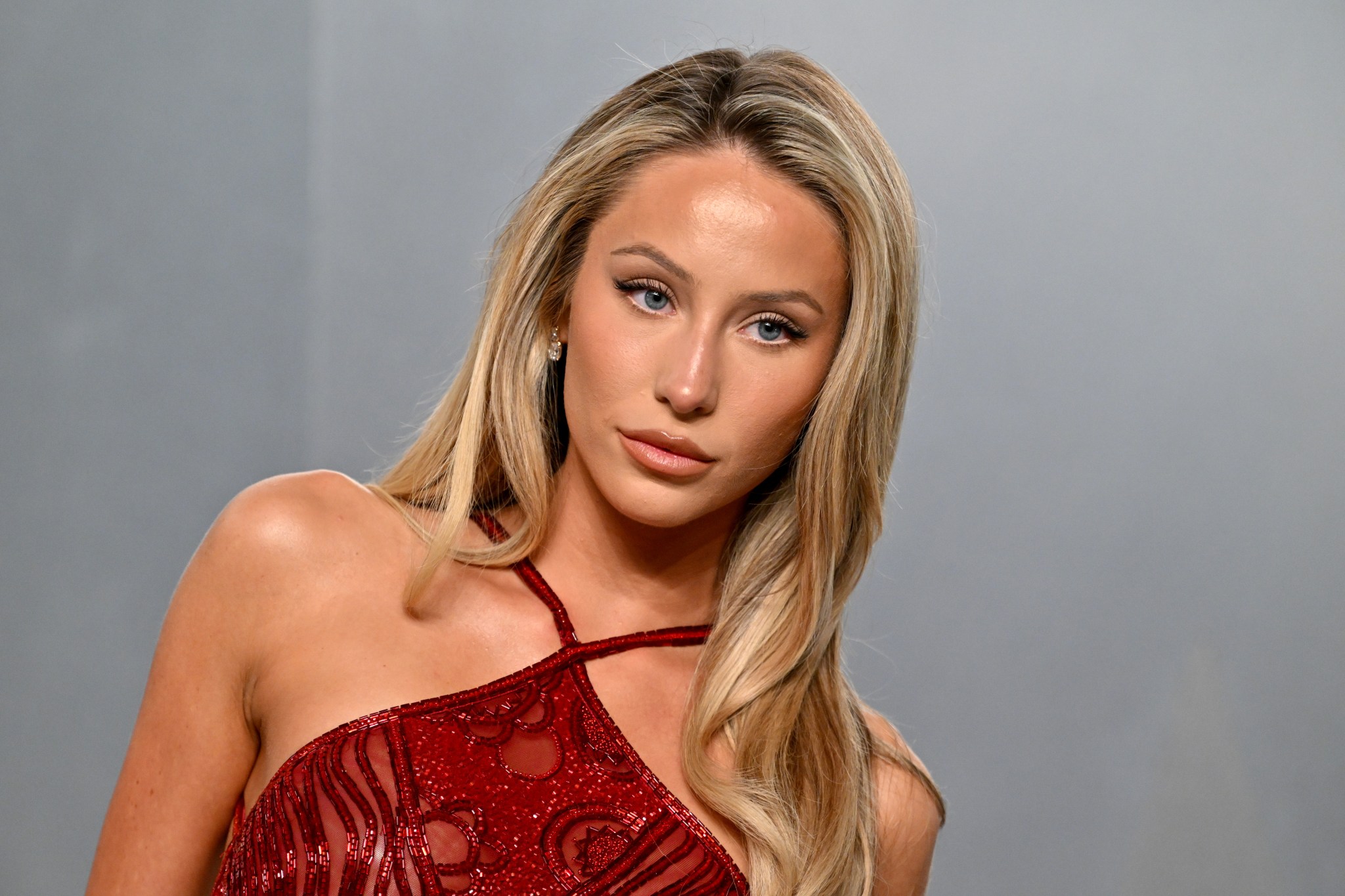
Yesterday, Alix Earle plastered the internet with the launch of Reale Actives, her first brand of her own. It’s a skincare brand designed to be safe for acne-prone skin, which she spent the past two years developing with Imaginary Ventures.
But while Earle is just getting started as a founder, she already has a wealth of insight into marketing and how brands can reach consumers today. With 14 million followers across TikTok and Instagram, she’s one of the world’s most successful influencers. Her resume includes four Super Bowl commercials, an equity stake in the soda brand Poppi as part of her endorsement fee (which meant she benefitted from its $1.95 billion sale to PepsiCo), and sharing her wisdom with students at Harvard Business School.
Ahead of the launch of Reale Actives, Earle, 25, sat down with Fortune for a wide-ranging conversation about her own career, influencer marketing today, and what brands are getting wrong.
Tell me about Reale Actives.
Where do I start? Acne is something I started to struggle with in middle school and throughout high school. I tried different doctors, medications and a bunch of different products and treatments. And then going into college, I had done Accutane three times, and after every time I completed it, my acne would tend to come back. It was kind of what kickstarted my career online, because I was at such a low point in my self-confidence that I just decided to go online and share about my acne because I thought maybe it would help someone.
After graduating college, I really wanted to start a brand of my own, and I was going back and forth with a bunch of different ideas and thoughts. I didn’t want to just rush into anything or just do anything for a paycheck, so I was kind of trying to just take my time and figure out what I really felt passionate about. A lot of the opportunities were either for me to jump on board with something that had already kind of been built, and I knew that I wanted to start building something from the ground up, so I didn’t end up going that route.
Skincare actually was not my top choice of what I wanted to do, because I always had a pretty dark relationship with skincare. I guess I didn’t really love it. I didn’t have fun doing my skincare. I was always confused by skincare, and I just always dreaded that moment—getting in front of the mirror and having to go wash my face and look at the reality of my skin. I felt like there was a gap in the market, as saturated as the beauty space is, especially with celebrity-led brands, between a skincare brand that’s super efficacious and great for acne-prone skin, and at the same time, is fun and cute and something you’re proud to have out on your counter.
What other categories were you interested in before skincare?
I was interested in the beauty space. But I thought for sure that skincare wasn’t it for me. Just because I dreaded my skincare. I thought maybe makeup, or maybe something with SPF, and there were a lot of people that had come to me with really amazing ideas. It was easy for me to kind of just slap my name on it and take a paycheck and go for it, but that wasn’t something that really excited me, and I knew deep down that that wasn’t going to fulfill me. I wanted to build something from the ground up, and I wanted to have a say in every little detail, and I wanted to be there for every step of the process.
Growing up, were you watching the Proactiv era? How did that influence what you thought an acne brand looks like today?
I remember the Proactivs, all the ones you would take tests for online. Like, I have literally tried everything when it comes to skincare. So I feel like I know a ton of the brands, and I think when it comes to going into a store and going for the more fun, viral products, I felt like I never had the chance to go out and try those because I always knew deep down it wasn’t going to be good for my skin. There’s some brands that might be a little trendier, but also sort of promote the staying inside, calm, not going out, type of lifestyle. With this brand, we want to embody the girl who wants to go out and not stop living her life because of her skincare.
You’re now launching your own brand. You’ve done so much and learned so much working with other brands, from Super Bowl ads to speaking at Harvard Business School. From that side of your work, what do you feel applies to building something on your own? And what’s different?
When working with other brands, I’ve gotten the chance to learn how they run their ship and how they connect with their audience. But I think when I work with other brands, that’s kind of what I bring in—that connection and just relation and understanding of this generation. So a lot of the times I work with them, I’m also partially educating them on what people want to see, and I think that’s been really helpful when it comes to building this. I think I have a pretty strong grasp on my audience and the broader Gen Z group.
Does launching something like this change at all how you think about your own goals? Is working with brands still something you’re passionate about? Are you interesting in building more on your own in the future?
It’ll definitely still be a mix of both, but I want this to be my primary focus, and this is really going to be my everything, which is why it’s been hard not to share this journey the past two years. Of course, there’ll be other brands I work with or invest in, but this is going to be my everything and my primary focus. I’m really excited for people to get to see that and to get to see that side of me, because it’ll definitely be a new side that they haven’t seen before.
Who in the beauty space inspires you? Who have you been looking up to as you prepare to launch your own brand?
I love Marianna Hewitt and what she did with Summer Fridays. I think she’s a great example of creating a brand that’s able to live beyond her, which is why I didn’t want to have my name on any of the bottles. I want to create a brand that will expand and be beyond me. I also look up a lot to Hailey Bieber. She’s just someone I always admire and think she’s a great person and has been very successful, so I would say her as well. But I definitely want to pave my own way with this. And I know that celebrity brands often get a bad rap, because most of the time it’s someone that’s truly not that invested in it, or just the face of it. I hope that I can prove that I’m not with this and really a part of every single part of this process.
What was your experience like working with Imaginary Ventures? What have you learned?
I had the opportunity to talk to multiple different people, and they felt the most invested in me and this brand and this story. So I think that was kind of an easy decision when I talked to them, it just felt right.
I’ve learned much more than I could have ever imagined I would learn by this age. And I think that was a scary part of this process, because I’m just coming out of college, and a lot of this is new to me. I don’t have 10, 20, 30 years of experience under my belt, so I was having to kind of multitask and learn. And I think I leaned a lot. My dad, he’s always someone that gives me great business advice, and he has a company of his own, so as much as I can lean on him for that type of stuff, he’s been amazing. But I’ve also just really been trying to take my time and take everything in and learn along the way. And I think it’s been a really special process for me. And as scary as it was at times, I definitely got to learn a lot.
When you spoke at Harvard Business School, what were some of the lessons you shared?
We talked a lot about me working with brands and this new wave of influencer marketing, which there’s not necessarily a playbook for. Brands are realizing that that’s where they’re seeing a lot of profit spending their money on that type of marketing. At Harvard, there’s a lot of entrepreneurs in the room and a lot of potential founders. They really wanted to understand, What do I when I’m working with a brand, and what makes a partnership successful?
What do you think does make a collaboration with a brand successful?
When it’s truly a partnership and you can work together and expand off each other’s ideas. I think there’s a lot of times where brands come in and they have such a clear vision that they want to put out, which is great if you’re putting something on a billboard or a commercial. But when you’re going through a person with an audience who knows them for XYZ, or knows their personality, and then all of a sudden they come out here and feel like this robot spitting out information at you that doesn’t sound like them and doesn’t sound like something they’re interested in—then I don’t think that’s going to be successful. And I think there’s times where brands try to fight that and really push for their way of things, and I think it only ends up hurting them. I think the creator should be allowed to have a say in the creative when it comes to the content and working with brands. The more organic it can be, it always ends up doing better.
What advice do you have today for someone trying to break through as a creator? Obviously, it’s a different market now than it was when you started. What do you think works in today’s market?
You have to have a voice and have your own unique twist. A lot of the mistakes I made when I was trying to start out was looking to people who were successful and trying to copy and paste what they were doing. But there’s already someone who’s taken up that niche or that category. Finding what works for you and your voice and your story—I always say your personal life stories are something that people can’t take away from you and can’t copy. Sharing those moments with an audience can always separate you and always make you stand out. People really gravitate to storytelling and learning who you are as a person, just because we’re fed so many people at this point that it’s hard to even get people to follow you anymore, because we’re just constantly fed a million things and a million different people every second. And posting a ton, posting more than you think, just getting out there and posting, because the more that you can be in people’s faces the better.
That reminds me of your story about posting about your own acne for the first time, and how it accelerated your rise.
If I had not opened up about that, I don’t think that I would be where I am today. That sounds crazy, but it is kind of what catapulted me and started allowing me to create an audience.
Does constant posting ever get exhausting to you?
It doesn’t get exhausting to me because I love it, but I think if I did not love what I was doing as much, I would be very exhausted. But if you don’t plan for longevity in this space, it can be swept away as fast as it came. And that’s always something I’ve tried to keep at the forefront of all my decisions.
How so?
Especially that initial moment—that’s probably the most pivotal moment in your career, is when you kind of have that rise and that ‘popping off’ moment, because you have everyone reaching out to you. You have everyone wanting to work with you. You have every brand wanting to collaborate and just take advantage of the moment. That was a time where instead of rushing into everything and saying yes to a million things, I understood what had just happened to me, and I understood that I didn’t just want this to be a three or six month thing—I wanted this to be a career and I wanted this to be my life. Saying no to a lot of things was really, really important, as crazy as it was in the moment because I was in college and getting crazy offers to do things and money I had never seen before.
You’ve spoken about being embarrassed as you were first posting on TikTok, before you had a following. How can other young women and girls who wants to be creators online push through that embarrassment and stop worrying about what other people are thinking?
I was a little embarrassed at first when I was in college and just pretending basically like I was this influencer, but I didn’t let the fear of embarrassment stop me from doing something that I thought would make me super happy. I always just liked putting out the videos, even if they were getting 1,000 views. For anyone who feels embarrassed—everyone starts somewhere. You have to know that at some point everyone had, zero, 50, 100 followers. It’s embarrassing until it’s not. If it’s something you’re passionate about, then you shouldn’t let other people stop you.
#Alix #Earle #turning #viral #fame #Super #Bowl #ads #Poppi #equity #brand