
JPMorgan delivers blunt message on interest rate cuts
5 min read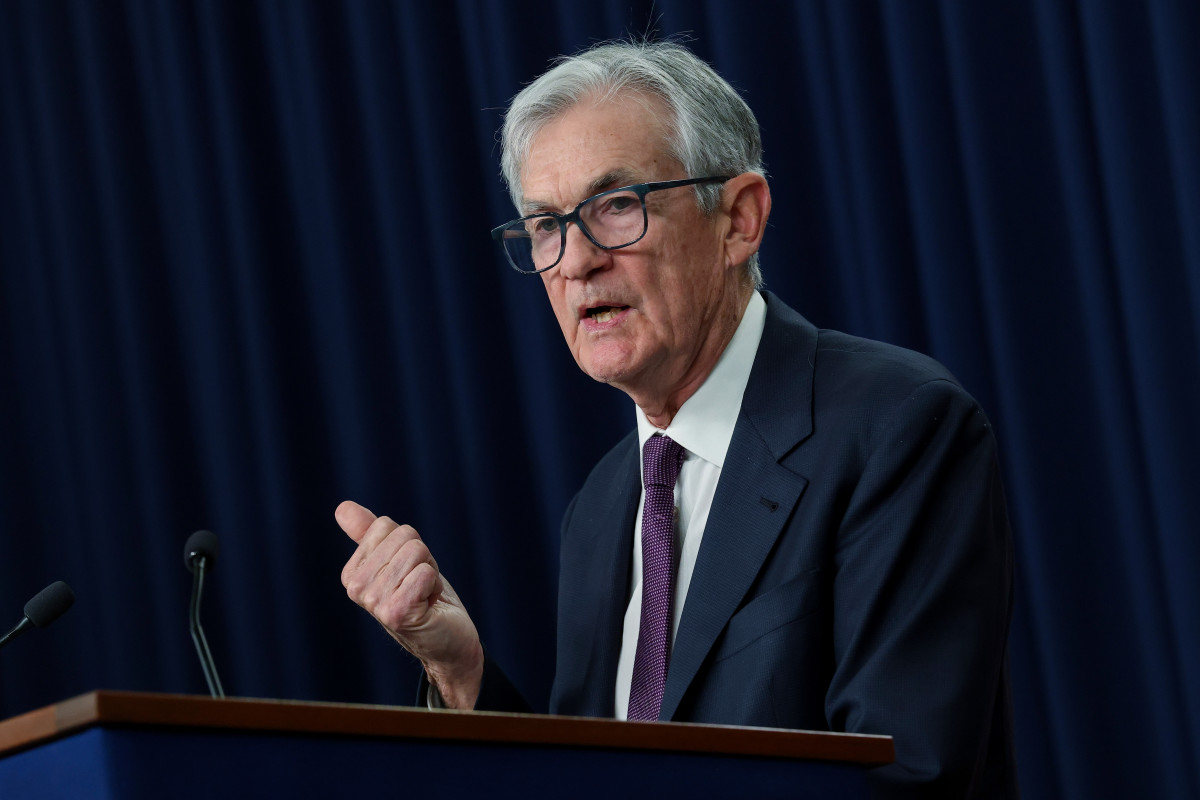
JPMorgan pushed back emphatically on expectations of potential interest rate cuts in the back half of this year.
According to the bank’s head strategist, Oksana Aronov, we’re unlikely to see aggressive tightening in monetary policy, with economic growth sluggish and risks creeping up under the surface.
“The bar for hikes is quite high, especially now that we’re seeing some slowing of growth,” she said in an interview with CNBC, cited by Seeking Alpha.
Moreover, according to the CME FedWatch, traders have effectively priced out Fed rate cuts for 2026.
In fact, as per an FXStreet report, expectations point to a 30% chance of a rate hike by the end of the year, a stark reversal from the beginning of the year, when markets were pricing in a couple of cuts.
Things flipped in March as inflation concerns tied to rising oil prices reshaped rate-cut expectations.
For context, at the Fed’s latest meeting on March 18, 2026, the Fed’s target range remained unchanged at 3.50% to 3.75%.
Aronov feels that the Fed’s rate cuts were premature, which effectively led to hidden risks in private credit.
She warns that those pressures are creeping up slowly, complicating the Fed’s next move.
JPMorgan strategist warns Fed faces high bar for rate hikes as growth slows and risks build
Photo by Anna Moneymaker on Getty Images
Wall Street shifts its Fed cuts timelineJ.P. Morgan said the Fed could hike by 25 basis points in Q3 2027.Macquariealso leaned hawkish, doubling down on its prediction for a Fed rate hike in the December 2026 quarter.Morgan Stanley also pushed back on its call earlier this month for the Fed’s next rate cut to September from June, on the back of higher inflation risks.Goldman Sachs and Barclays had previously delayed their Fed-cut calls before Morgan Stanley made its call, underscoring a broader shift across Wall Street.The bigger risk behind the Fed outlook
Aronov’s critiques that the Fed will be dealing with second-order effects from keeping financial conditions too loose for so long.
More Federal Reserve:
Fidelity delivers sobering interest-rate message amid Fed pauseJ.P. Morgan pushes back on Fed’s 2026 rate-cut forecastGlobal central banks signal shocking shift on interest-rate bets
She says that easing into an economy that was still resilient ended up encouraging excess risk-taking, particularly in areas like private credit.
Loose financing conditions typically compress risk premiums, facilitating weaker borrowers in accessing capital while delaying recognition of underlying stress.
As a result, she sees a gradual unwind, where problems surface over time as refinancing becomes a lot tougher and credit conditions tighten up.
For investors and policymakers alike, that creates a more complex backdrop.
If risks are building underneath the surface, the Fed’s maneuverability becomes limited, bumping rates, amplifying stress, which leads to imbalances deepening further.
Why Aronov is wary of the long end
Aronov says that longer-dated Treasury yields are being pushed by forces the Fed cannot easily control.
Related: Morgan Stanley sends clear message on semiconductor stocks after selloff
Investors can still be closer to the 4% mark at the front end, while the 10-year Treasury yield hovers around 4.42% as of March 26, compared to 3.96% for the 2-year, suggesting that aiming for duration comes with a lot more risk.
Inflation is still sticky.
February CPI jumped to 2.4% from a year prior, and core CPI was up 2.5%. Moreover, the Fed’s preferred inflation gauge, PCE, was running at 2.8% in January, while core PCE was at 3.1%.
To make matters even worse, U.S. crude has skyrocketed by more than 70% year-to-date to about $100 a barrel, stoking worries that inflation might stay hotter for longer.
The fiscal backdrop is heavy.The Congressional Budget Office forecasts the U.S. budget deficit to surge to $1.85 trillion in fiscal 2026, or 5.8% of GDP.Treasury supply is still big.The Treasury expects to borrow a whopping $574 billion in net marketable debt in the January-to-March quarter. Moreover, its most recent quarterly refunding package jumped to $125 billion and will raise $34.8 billion in new cash from private investors.Cracks are forming in private credit
Aronov also discussed issues in private credit, which started surfacing following years of easy financing.
Related: Cathie Wood sells $2.1 million of megacap tech stock
The numbers back up her argument, as we’re seeing pressure build through defaults, redemptions, and plummeting confidence in portfolio marks.
Defaults are climbing.Fitch said that default rates in U.S. corporate private-credit borrowers struck a record 9.2% in 2025, up substantially from 8.1% in 2024, with 38 defaults across 28 borrowers.Investors are asking for redemptions. Reuters noted that Morgan Stanley, Apollo, and Ares have all received redemption requests in Q1 totaling over 10% of shares outstanding, exceeding the standard 5% quarterly limit. Also, Oaktree received 8.5% in redemption requests.The market grew robustly during the easy-money era. A Reuters report cites S&P Global Ratings, which said credit assets under management at the five biggest private lenders jumped by more than 50% from 2020 to 2025 to $2 trillion.How Aronov says investors should respond
Aronov makes the case for investors to avoid panicking and to become much more flexible and choosy.
She says investors “are learning that lesson the hard way right now as both stocks and bonds are falling” in a “highly correlated way,”
Hence, diversification matters a lot more than ever.
She warned that the old habit of relying on stocks and bonds to offset each other isn’t working in this current market.
Additionally, her team also keeps a sizeable cash cushion.
The liquidity buffer gives investors a lot of room to handle choppiness, wait for more attractive entry points, and avoid being forced to sell into weakness.
Moreover, she recommends credit protection, which she called “extremely inexpensive” because “we’re in the last throes of a credit cycle here.”
So there’s value in downside protection before credit stress gets even worse.
Finally, her advice is to be geographically selective. Despite the risks at home, she feels“The U.S. is still better positioned to weather this than Europe for sure,” especially since Europe faces potential energy shortages if the current geopolitical tensions persist.
Related: Bank of America reinstates Microsoft stock coverage
#JPMorgan #delivers #blunt #message #interest #rate #cuts