
Trump seeks biggest defense budget hike in 75 years as Pentagon commits to ‘exquisite’ weapons
3 min read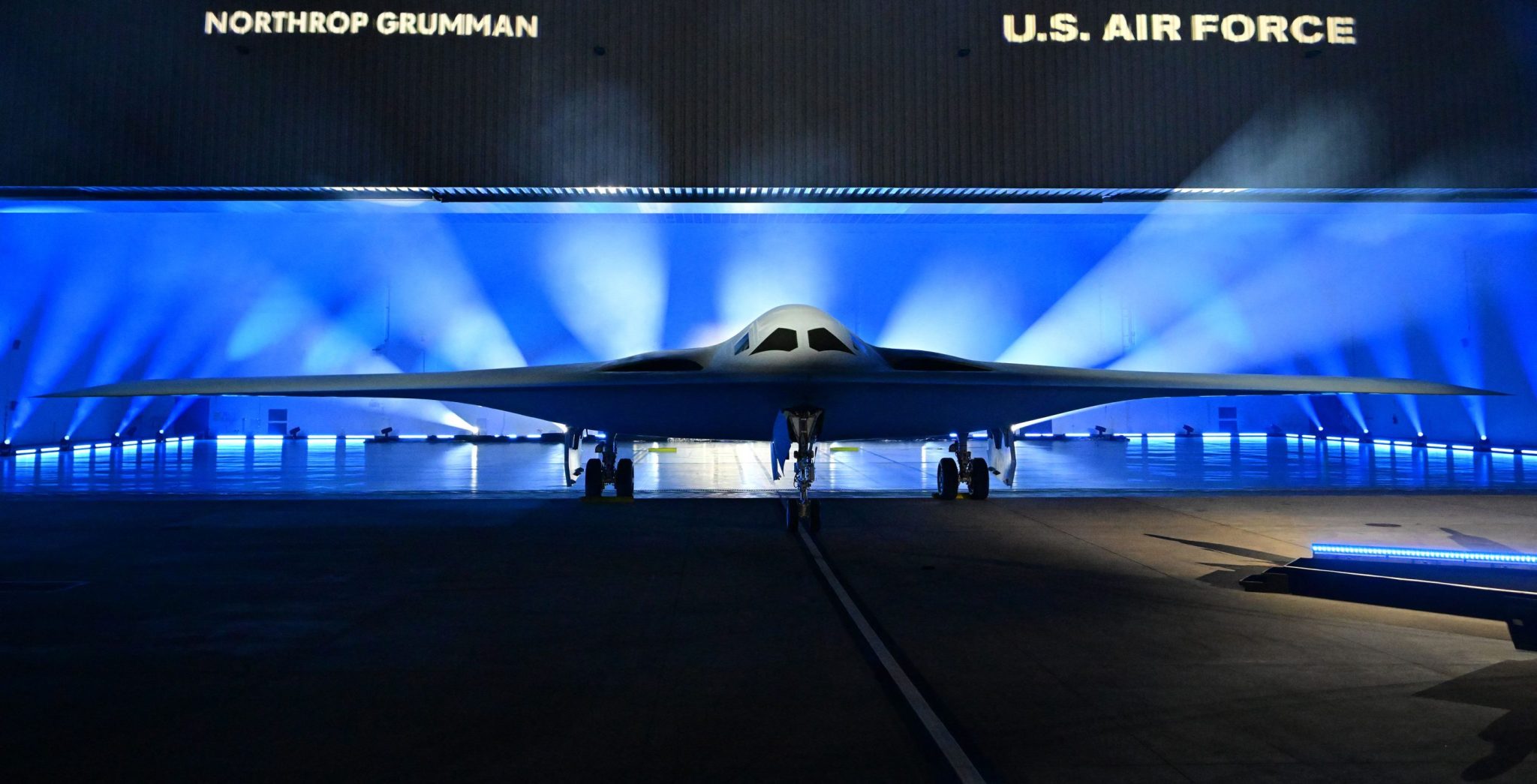
President Donald Trump’s $1.5 trillion Pentagon budget request for the upcoming fiscal year represents the biggest increase in generations and seeks to transform the industry, according to analysts at JPMorgan.
While Congress is unlikely to fund everything the administration wants, the proposal still signals where Trump’s priorities are as the budget process begins.
“A global security environment that is less reliant on norms and more reliant on force continues to put upward pressure on defense spending; at the same time, the Trump administration is seeking to remake the US defense industrial base and there is more capital entering the sector as well,” JPMorgan said in a note on Monday.
To be sure, getting a defense budget through Congress could drag on, perhaps even past the midterm elections. If Democrats take control, massive defensive spending could be a political non-starter, especially as Trump looks to cut social programs to partly offset hikes elsewhere.
For now, the top-line Pentagon budget calls for a 44% increase in fiscal year 2027, which begins this October, including a 77% jump in investments.
“To contextualize, this would be the biggest single year increase since the budget increased 3.4x to $48b in 1951 on the heels of NSC 68 and the Korean War,” JPMorgan said, referring to a seminal National Security Council paper from 1950 that singled out the Soviet Union as the most serious threat to the U.S.
Analysts pointed out that the proposed increase would also dwarf the 25% jump in 1981, when President Ronald Reagan began his military buildup as he reignited a Cold War competition against the “evil empire,” his preferred phrase for the Soviet Union.
Meanwhile, the 74% investment boost would result in weapons procurement more than doubling over a two-year period to spur transformation of the defense industrial base, making it larger, faster, and more resilient, while advanced technologies from the civilian sector are incorporated.
The price tag for procurement is also elevated by the Pentagon’s continued commitment to acquiring the most cutting-edge weapons. JPMorgan noted that Trump’s budget has even added more “exquisite” weapons, like a new class of battleship and space-based missile interceptors.
Why not both?
That’s despite lessons from Ukraine’s success fighting off the Russian invasion by relying on the production of mass quantities of low-cost drones.
“The apparent lesson at DoD, however, has not been to move the US away from exquisite systems and toward low-cost, distributed capability, but to have both,” JPMorgan said.
While the different branches of the armed forces are each pursuing drones or low-cost missiles, they are also staying the course with exquisite, next-generation platforms like a new F-47 fighter that could cost $300 million each and the B-21 stealth bomber that could top $600 million each.
But the Iran war has also highlighted the effectiveness of low-cost weapons. While the regime’s military has been decimated, its waves of cheap Shahed drones are still able to keep the Strait of Hormuz closed and inflict major damage around the Persian Gulf—including on U.S. military bases.
Iran’s retaliatory barrage has also forced the U.S. and its allies to draw down expensive stockpiles of interceptors. The tactic highlights the brutal economics of the current war: missiles that cost millions of dollars each are shooting down drones that cost tens of thousands of dollars.
The U.S. has long prioritized the most advanced weapons to maintain superiority against any military rivals. But as the pace of technological improvements accelerated in recent decades, costs have ballooned and the Pentagon has struggled to keep up.
The advent of cheap commercial drone technology changed the equation dramatically, as demonstrated by the Ukrainian military’s adoption of new tactics. That four-year-old conflict has transformed warfare. Unmanned weapons are now responsible for most battlefield casualties as small first-person view drones hunt down individual troops or vehicles. Ukraine’s defense industry has also evolved to mass produce inexpensive drones that can take down Russia-launched Shaheds from Iran.
“The future of warfare is Ukraine producing 7 million drones per year right now,” former CIA director and retired Gen. David Patraeus said last month. “This past year, they produced 3.5 million. That enabled them basically to use 9 to 10,000 drones per day.”
#Trump #seeks #biggest #defense #budget #hike #years #Pentagon #commits #exquisite #weapons