
Starbucks CEO Brian Niccol, a $9 premium experience, and a divided reacton
4 min read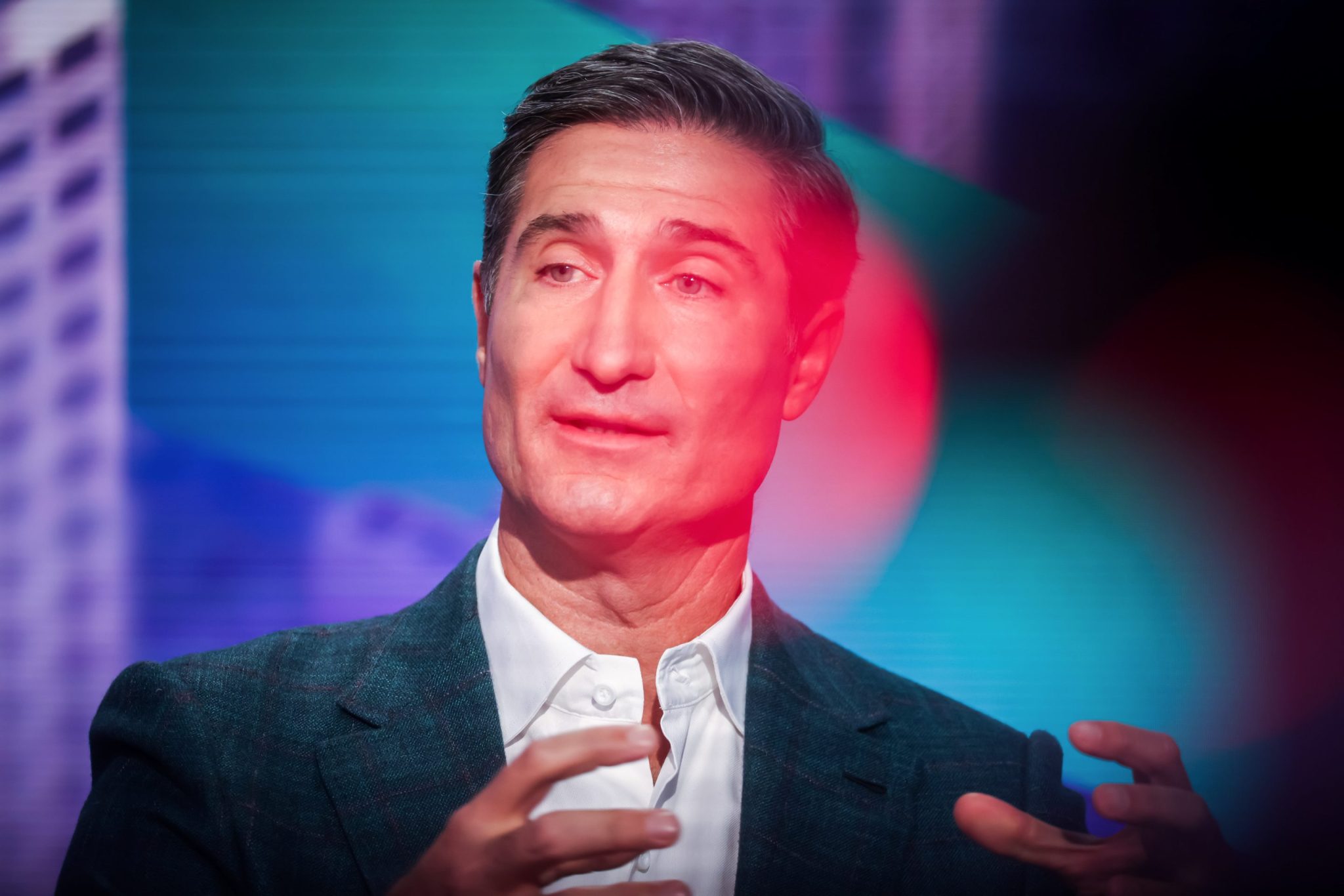
Starbucks CEO Brian Niccol is living in two realities this week. On social media, he’s become the latest corporate executive to be branded “out of touch” after calling a $9 purchase a “really affordable premium experience.” On Wall Street, he just delivered the quarter that investors had been waiting more than two years for.
Speaking on the Wall Street Journal’s What’s News AM podcast, Niccol was asked how the coffee chain is navigating the K-shaped economy: the growing gap between high-income and low-income Americans. He said Starbucks is “doing really well with Gen Z and millennials, and then really had strong performance across all income cohorts,” and noted that the average customer spend comes in at just under ten dollars.
“In some cases, you know, a $9 experience does feel like you’re splurging. And then, what that means is we have to make it worthwhile, right?” he said on the podcast. “And then in other cases, certain people believe, ‘Well, this is a really affordable premium experience.’ Because they’re saying like, ‘Well it’s less than $10 and I get a really premium experience.’”
Niccol pointed out that though a traditional cup of coffee starts at around $3, customers can “build your way into all sorts of customized drinks that people love that move that ticket up.” Add in food and other add-ons, and the average purchase at Starbucks comes out to about $9. When asked whether the company is seeing the effects of economic inequality in its sales, Niccol said, “we’re not seeing that in our business.”
“So, regardless of where you’re stationed in those income cohorts, we want to make that experience worth your while,” he continued. He framed the company’s pricing strategy around perceived value rather than discounts. “The way we’re going to play the value game is, you’re going to feel like it was worth it,” Niccol said. “And it’s not going to be a game of discounting or one-off promotions.”
A renewed call for boycotting
Starbucks has weathered boycotts over the last few years due to a number of issues, including its perceived anti-union labor practices and its alleged pro-Israel stance. Starbucks sued its union group for trademark infringement in 2023 after the union posted it was in “Solidarity with Palestine” following the beginning of the war in Gaza, in which over 75,000 Palestinians have been reported killed since the war began on Oct. 7, 2023.
On social media, people took Niccol’s comments as a reason to renew these boycotting efforts. On the Journal’s social media post of the podcast, remarks ranged from the “out of touch” label to renewed calls for a boycott.
Many others pointed at another comment Niccol made in the video, in which he said some customers “use their Starbucks experience as a moment of escapism,” and part of what “drives that value is to be able to have a great seat, have a great moment of connection with a barista.” Amid significant labor strife, Starbucks nevertheless made history in 2021 when it announced a nationwide minimum wage of $15 across its stores.
A CEO making Wall Street happy
In 2025, Niccol took home $97.8 million in total compensation, 6,666 times more than what the average worker makes ($14,674), Fortune previously reported. Wall Street analysts argue Niccol is earning his hefty compensation package. The same-store sales numbers were the big beat on Wall Street expectations. Starbucks reported a rise in global comparable store sales of 6.2% in the second quarter of fiscal 2026, fueled by more customer visits, while Wall Street had projected 4% growth. North American comparable sales were up 7.1%. The company raised its annual forecast, pointing to its “Back to Starbucks” turnaround strategy.
During the company’s earnings call with analysts, Niccol attributed this growth to that strategy. “I believe what we see with folks is when you give them an experience that they feel is unique, differentiated, special—a little touch of luxury—it goes a long way.”
When its quarterly sales growth blew past expectations, the company credited the increase in staffing and employee benefits, with company COO Mike Grams telling Fortune’s Phil Wahba in an exclusive interview, “it really comes from the coffeehouses and the partners who empower them, which has been a focal point of this turnaround all along.”
Starbucks reported second-quarter fiscal 2026 revenue of $9.5 billion, up 9% year-over-year, marking the first time in more than two years that the company has delivered growth on both the top and bottom line. Adjusted earnings came in at 50 cents per share, up 22% from a year ago, crushing the analyst consensus of 43 cents. Revenue of $9.53 billion cleared the original $9.16 billion Wall Street estimate.
These results were fueled by investment in local coffeehouses, a spokesperson for the company told Fortune. The company spent about $500 million reinvesting into its stores: adding staff at peak hours and increasing training for baristas, as well as making store upgrades.
Niccol called it “a milestone for the business” on the earnings call. “Our second quarter marked the turn in our turnaround,” he said. The stock is up about 24% year-to-date. And as a result of the earnings, Starbucks now expects global comparable sales growth of 5% or better, up from its prior forecast of 3% or better.
The result is what has shown considerable growth despite an era filled with tariff uncertainty and increased inflation concerns. Coffee prices were running roughly $1 per pound higher than a year ago. The average retail price of ground roast coffee spiked 30.5% year-over-year to $9.46 per pound, in part driven by increased tariffs on Brazilian coffee imports.
On the earnings call, Niccol addressed the import concerns head-on, adding the company sources coffee from 28 countries and has a team navigating their tariff exposure by shifting production to alternate sites.
Despite the online criticism regarding the average Starbucks purchase, it seems to be driving sales up. With earnings showing a 2.3% increase in the average ticket price, Starbucks’ strategy may be making the internet mad, but it’s working.
#Starbucks #CEO #Brian #Niccol #premium #experience #divided #reacton